
Summer Heat Can Turn a Sun-Baked Delivery Hose Into Your Next Comeback Call
Is August Heat Quietly Testing Your Bobtail's Hoses?
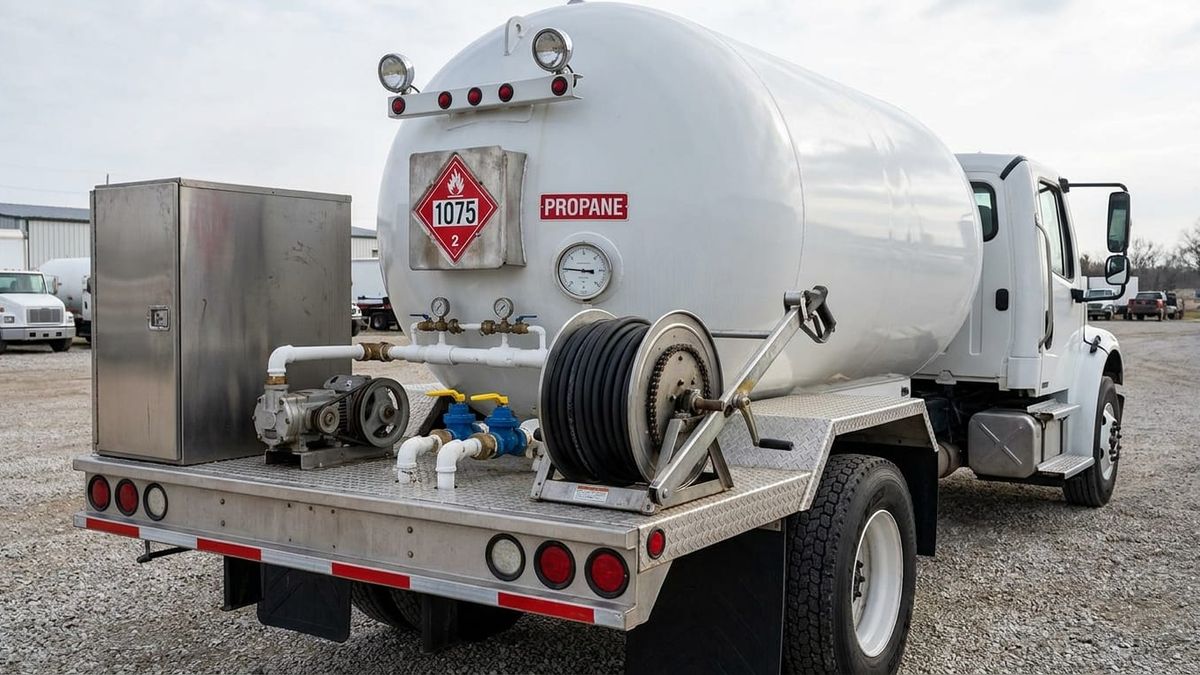
Heat degrades rubber hose compounds and raises vapor pressure inside every tank on your route, which means your pre-trip and delivery checks need extra attention in August. A hose or valve problem missed now is a comeback call, or worse, with your signature on the ticket.
The Situation
A delivery hose that passed inspection in April can fail under an August sun in ways a fall or winter shift never sees. Heat softens rubber compounds, degrades hose linings faster, and raises vapor pressure inside every tank you fill — all at once, on the same route. For a bobtail driver, that means today's pre-trip needs a different eye than the one you ran during mud season. Skip it, and the callback you generate isn't just a wasted trip back to the same driveway — it's a hose failure or an overfilled tank with your name on the delivery ticket.
The Facts
Check the Hose Before You Check Anything Else Sun exposure and heat degrade rubber and synthetic hose linings faster than routine mileage does. Before every hookup, run your hands and eyes down the full length looking for soft spots, blistering, or a lining that's gone stiff instead of flexible. A hose that looked fine in the yard that morning can behave differently after four hours riding in direct sun on the truck bed.
Keep the Pressure Relief Valve Clear Every tank you deliver to depends on its pressure relief valve (PRV) working the instant it's needed, and summer heat puts that valve under the most stress all year. Confirm the PRV isn't buried under mulch, grass clippings, or a customer's new landscaping before you connect. A blocked PRV is invisible until it's the only thing standing between a routine delivery and an incident.
Respect the Fixed Liquid-Level Gauge, Every Time Propane expands as it warms, which is exactly why every tank has a fixed maximum fill level and a gauge that tells you when to stop — not a percentage you eyeball. On a hot day, that gauge is doing more work than usual. Trust it over habit, and never override it because a customer wants "just a little more."
Your Hours-of-Service Clock Doesn't Take a Summer Break Heat fatigue is real, and the federal driving-hours limit for property carriers — 11 hours under 49 CFR 395.3 — doesn't flex because the cab is hotter than usual. Build hydration breaks into your route planning instead of pushing the clock, especially on longer rural routes where the next stop and the next bathroom are both a while away.
Document What You Checked, Not Just What You Delivered A pre-trip and post-delivery record showing you actually inspected the hose, the PRV, and the gauge reading protects you if a tank issue surfaces days after your visit. Drivers who log that record on their phone instead of a paper form get it filed before they're back in the truck.
Business Impact
A hose failure mid-delivery isn't just a maintenance line item — it's a spill, a possible evacuation, and a route that doesn't get finished that day. A driver's overfill mistake because a gauge got overridden is a comeback with the company's name on the truck.
What this means for your business: 1. Heat-accelerated hose wear means your PM inspection interval from cooler months may not catch a problem that develops mid-summer. 2. A blocked pressure relief valve or a missed gauge reading turns a routine stop into an incident report, which shows up in your insurance renewal. 3. Drivers who document their pre-trip and delivery checks give the company a real record if a tank issue is ever questioned later. 4. Building heat-season checks into the route routine now, before peak daylight driving hours, keeps a truck out of the shop and on the route.
Key Data Points
- The federal driving-hours limit for property carriers is 11 hours per 49 CFR 395.3.
- Propane's volume expands as temperature rises, which is why every tank has a fixed maximum fill level rather than a percentage estimate.
- Rubber and synthetic hose linings degrade faster under direct sun and heat exposure than under routine mileage alone.
- A pressure relief valve blocked by debris or landscaping can go unnoticed until the moment it's needed.
Key Takeaways
- Heat softens hose linings faster than cooler-weather wear, so a hose that passed inspection in spring needs a fresh look before an August hookup.
- A blocked pressure relief valve is invisible until it's needed — check that it's clear of debris and landscaping before every connection.
- The fixed liquid-level gauge exists because propane expands with heat; overriding it to top off a tank is a summer-specific risk, not a shortcut.
- The 11-hour driving limit under 49 CFR 395.3 doesn't adjust for cab heat — plan hydration breaks into your route instead of pushing through.
Action Steps
- 1.Run a hands-on hose check for soft spots or stiff linings before every hookup this week, not just at your scheduled PM interval.
- 2.Confirm the pressure relief valve is visibly clear of debris or landscaping at every stop before you connect the hose.
- 3.Plan a hydration break into your route today if your afternoon stops run past your usual schedule.
- 4.Walk your last 7 days of delivery tickets and confirm every stop's gauge reading was logged, not estimated.
Competitive Advantage
Drivers who treat the summer pre-trip as a different checklist than the winter one catch the failures a generic once-a-quarter inspection misses — and that habit keeps a truck rolling through the busiest delivery months instead of sitting in the shop.
When's the last time you checked a hose mid-route, not just at the start of your shift?
Get the next one in your inbox.
Free propane industry news, twice a week. 30,000+ operators already read it.
No spam, unsubscribe anytime. We'll email you a link to confirm — that's how we keep the list real. Cloudflare processes a short bot-check token on this form. See our privacy policy.
Published by PropaneInsider.com
AI-powered propane industry news for 30,000+ professionals
Propane Insider is published by the makers of Tank Spotter, Custom Fuel App, Blink Fuel, PIMS and Propane Safety Pro; some links go to advertisers.