
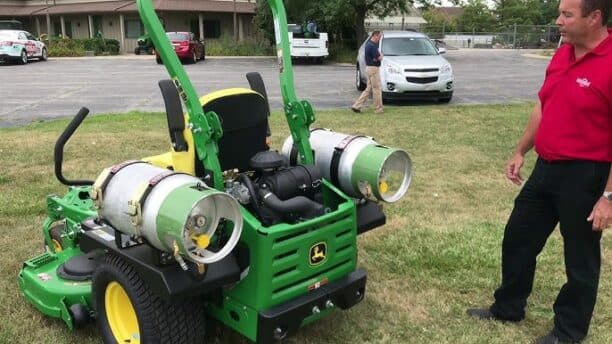
Commercial landscapers and flooring contractors are increasingly choosing propane conversion kits—and it’s easy to see why. With rising gas prices, tougher emissions rules, and downtime concerns, propane is emerging as a cost-effective, environmentally friendly alternative to gasoline. For businesses using mowers, polishers, and grinders, these kits offer a practical way to switch fuels without replacing entire fleets.
What Is a Propane Conversion Kit?
A propane conversion kit is an aftermarket package that converts a gasoline-powered small engine into one that runs on propane. Instead of replacing your machines, you retrofit them using components like:
• Propane regulators and mixers
• Modified or replacement carburetors
• Fuel lines, mounting brackets, and tank fittings
These kits are engineered for commercial-grade equipment — zero-turn mowers, ride-on polishers, concrete grinders, and more — ensuring both compatibility and reliability.
Who Makes These Kits?
Several companies specialize in creating propane conversion kits tailored to well-known engine brands:
• Alliance Small Engines: Works with Kawasaki, Kohler, and Honda engines often found in mowers.
• Propane Power Systems (PPS): Compatible with Vanguard and Briggs & Stratton engines, including those used indoors.
• Onyx Systems: Designs kits specifically for flooring tools like polishers and grinders.
Dealers usually handle installation, certification, and compliance — making adoption typically very seamless for business owners.
What to Consider Before Switching
Thinking about converting your fleet? Keep these key factors in mind:
• Engine Compatibility
Not all engines can handle propane. Check carefully — manufacturers usually support this verification.
• Professional Installation
Proper installation is crucial. Mistakes can lead to safety issues, void warranties, or reduce performance.
• Regulatory Compliance
Ensure that your chosen kit meets all EPA and CARB standards. Certified kits comply with current emissions and safety regulations.
• Return on Investment
Although upfront costs do exist, most users see a payback within one or two seasons thanks to fuel savings, reduced maintenance, and improved uptime.