
NFPA 2026 Updates: Your Tech Roadmap to Propane Safety
NFPA 2026: Tech-Driven Compliance for Propane
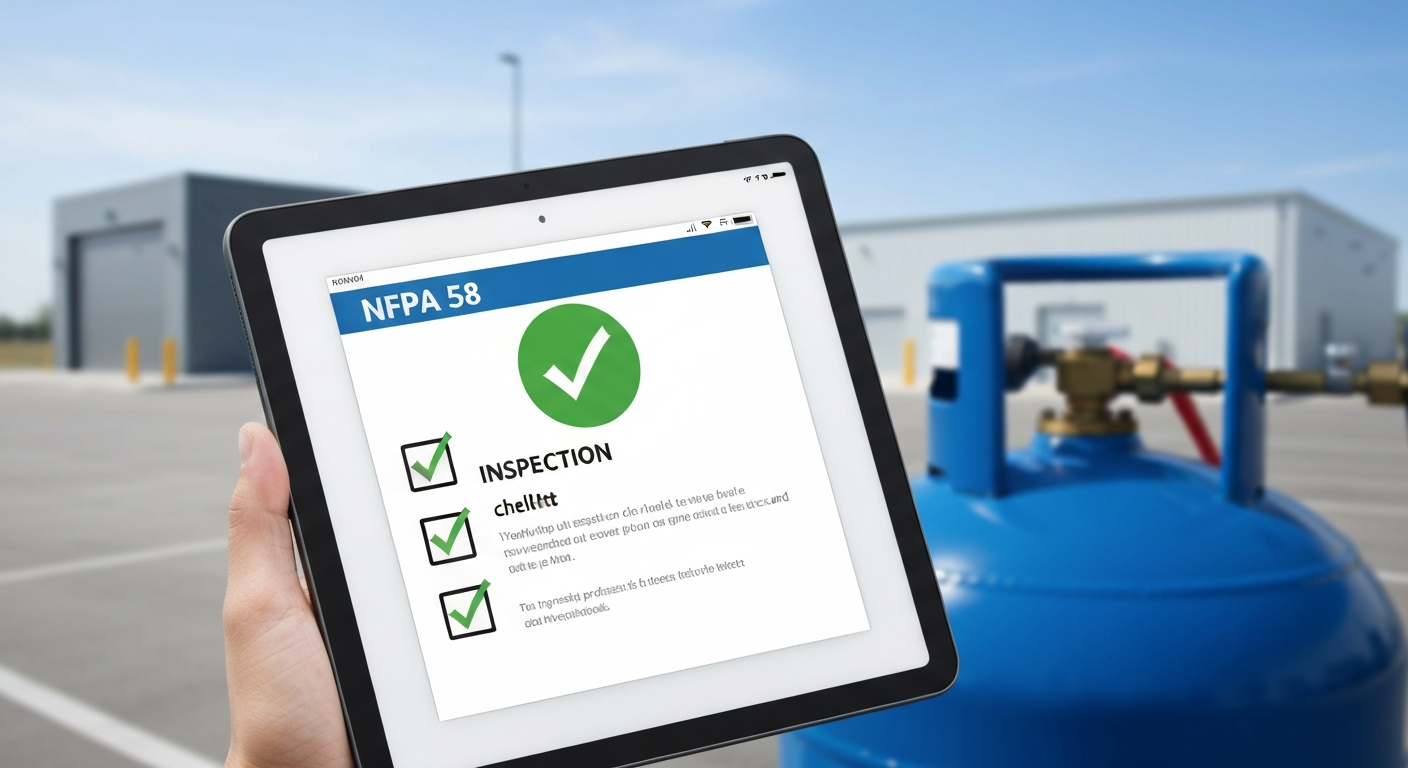
NFPA's 2026 code updates demand tech-driven safety. Propane companies must leverage digital tools to meet new standards, mitigate risks, and enhance operational efficiency, moving past manual methods to ensure compliance and protect their bottom line.
The Situation
The National Fire Protection Association (NFPA) just released its 2026 editions of key codes, incorporating updates driven by evolving technology, new research, and real-world incidents. These revisions emphasize that propane companies must adopt modern, tech-driven solutions for compliance, moving beyond outdated manual processes to ensure safety and operational efficiency.
The Facts
NFPA standards are continuously updated, typically every three to five years, to keep pace with industry advancements. The 2026 editions, as highlighted by Fire and Safety Journal Americas, bring 'changes worth paying attention to.' For instance, NFPA 10, focused on fire extinguishers, and NFPA 25, covering inspection frequencies for water-based fire protection systems, see revisions that often imply more stringent documentation and reporting requirements.
Beyond Fire Extinguishers: Propane Specifics While the direct impact of these specific updates on propane isn't fully detailed in recent announcements, the overarching trend is clear: greater reliance on verifiable data. As NFPA itself warns about propane grills, 'check the gas tank for leaks' – a simple instruction that, in an audited environment, demands a documented process. This calls for advanced field operations management to track inspections, maintenance, and training, crucial for ensuring compliance and avoiding penalties, fines, or even denied insurance claims.
Business Impact
Outdated, paper-based compliance systems are increasingly vulnerable to audit failures under revised NFPA standards. Propane companies face potential citations, hefty fines, and even operational shutdowns if they can't demonstrate meticulous adherence to safety protocols. Digitizing inspection records, safety training, and incident reporting is no longer a luxury but a necessity. Companies that adopt integrated field management solutions can significantly reduce audit prep time, enhance safety, and protect their insurance standing, directly impacting their bottom line.
Key Data Points
- NFPA standards update every 3-5 years, with 2026 editions introducing new changes (Fire & Safety Journal Americas).
- NFPA 10 (fire extinguishers) and NFPA 25 (water-based fire protection) are among the key codes being updated.
- Non-compliance can lead to citations, fines, or denial of insurance claims.
- NFPA offers safety tips for propane grills, emphasizing leak checks.
Key Takeaways
- NFPA 2026 updates require a proactive approach to safety and compliance documentation.
- Digital tools are essential for efficient tracking of inspections, maintenance, and training.
- Non-compliance risks significant fines, denied insurance claims, and operational disruptions.
Action Steps
- 1.Identify all NFPA standards relevant to your operations and review the 2026 updates.
- 2.Evaluate your current safety documentation processes for digital transformation opportunities.
- 3.Implement a system for real-time field data capture to streamline compliance and audit readiness.
Competitive Advantage
Propane companies leveraging advanced field worker OS platforms like tankspotter.com can move beyond reactive compliance. By providing digital, GPS-verified inspection forms, real-time safety alerts, and comprehensive training modules, they ensure continuous adherence to evolving standards, minimize liability, and gain a reputation as industry leaders in safety and operational excellence.
Are your current safety and compliance workflows ready for the demands of the 2026 NFPA updates, or are you still relying on paper and manual processes?
Get the next one in your inbox.
Free propane industry news, twice a week. 32,000+ operators already read it.
No spam, unsubscribe anytime. We'll email you a link to confirm — that's how we keep the list real. See our privacy policy.