
California Chemical Tank Crisis: 50,000 Evacuated Amid BLEVE Threat
50,000 Evacuated: California BLEVE Threat Reinforces Safety
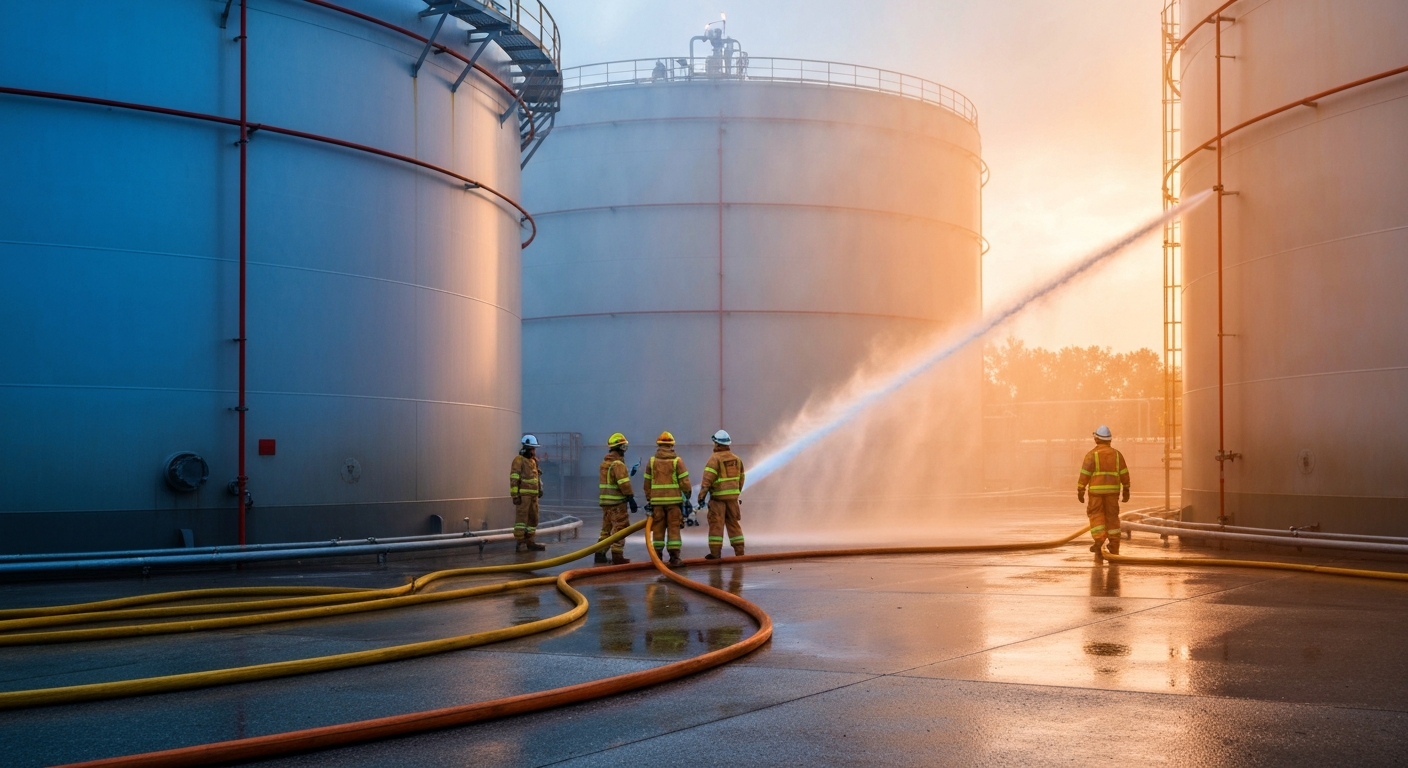
A major chemical leak in Orange County, CA, led to a BLEVE threat and 50,000 evacuations, underscoring the vital need for robust tank safety protocols. This event highlights the severe public safety consequences of containment failures.
The Situation
A chemical leak in Orange County, California, escalated into a Boiling Liquid Expanding Vapor Explosion (BLEVE) threat, forcing nearly 50,000 residents to evacuate. Firefighters raced against time to cool a bulging tank containing methyl methacrylate, a highly flammable chemical. This incident, while chemical-related, serves as a stark reminder of the critical importance of rigorous tank integrity and emergency preparedness across all fuel sectors, including propane.
The Facts
Emergency responders in Orange County, California, worked tirelessly to avert a catastrophic BLEVE from a bulging storage tank. The tank, containing methyl methacrylate, began heating and bulging on Thursday, prompting officials to declare a state of emergency and evacuate approximately 50,000 people. Craig Covey, an Orange County Fire Authority division chief, described the situation as a 'boiling liquid expanding vapor explosion' in its early stages, emphasizing the 'worst-case catastrophic event' they were trying to prevent.
The BLEVE Threat A BLEVE occurs when a vessel containing a pressurized liquid above its boiling point ruptures. The sudden depressurization causes the liquid to flash into vapor, creating a massive explosion. While this incident involved a chemical, the physics of a BLEVE are universal across pressurized liquid storage, including propane. The Federal Emergency Management Agency (FEMA) was on-site, illustrating the severe, multi-agency response required for such events. This event follows another recent incident in Washington where a suspected defective propane tank was allegedly shot, leading to an explosion, further highlighting the need for vigilance.
Business Impact
For propane delivery companies, this incident is a stark reminder of the immense public and financial liability associated with tank failures. Even a perceived BLEVE threat, regardless of the fuel type, can trigger massive evacuations, significant emergency response costs, and severe reputational damage. Proactive maintenance, strict adherence to NFPA 58, and meticulous inspection records are not just regulatory checkboxes; they are foundational to preventing catastrophe and protecting assets. The cost of a single incident far outweighs investment in robust safety programs and technology.
Key Data Points
- Nearly 50,000 people evacuated due to chemical BLEVE threat in Orange County, CA.
- Methyl methacrylate tank began bulging and heating, signifying imminent rupture risk.
- Federal Emergency Management Agency (FEMA) deployed to support local emergency crews.
- Recent Washington incident involved a propane tank explosion from suspected defects.
Key Takeaways
- Rigorous tank inspection and maintenance are paramount to public safety and operational continuity.
- BLEVE incidents, regardless of fuel type, demand immediate and comprehensive emergency response, leading to massive disruptions.
- Proactive safety measures and compliance with industry standards mitigate severe financial and reputational risks for propane businesses.
Action Steps
- 1.Review and update all emergency response plans to include BLEVE scenarios and communication protocols.
- 2.Conduct immediate, comprehensive inspections of all company-owned tanks for structural integrity and compliance.
- 3.Reinforce NFPA 58 training for all field personnel, emphasizing hazard recognition and incident prevention.
- 4.Ensure all inspection and maintenance records are meticulously kept and easily accessible for audits, potentially leveraging digital tools like propanesafetypro.com.
Competitive Advantage
Companies with an impeccable safety record and transparent, defensible inspection documentation gain a significant competitive edge. This translates to lower insurance premiums, stronger community trust, and a reputation for reliability that attracts and retains customers. Proactive safety isn't an expense; it's an investment in sustainable growth and market leadership.
How are you proactively ensuring your tank assets meet the highest safety standards to prevent unforeseen incidents and protect your community?
Get the next one in your inbox.
Free propane industry news, twice a week. 32,000+ operators already read it.
No spam, unsubscribe anytime. We'll email you a link to confirm — that's how we keep the list real. See our privacy policy.