
Weather & Seasonality
Beat the Heat: How to Keep Propane Deliveries Smooth & Drivers Safe This Summer
Summer Heatwave: Managing Tank Levels & Driver Fatigue
Executive Summary
Intense summer heat impacts propane operations, demanding route adjustments and critical driver welfare checks. Operations managers must implement strategies to manage tank pressure, equipment, and fatigue for peak efficiency and safety.
The Situation
As summer heatwaves intensify across the USA, propane general and operations managers face a dual challenge: maintaining efficient delivery schedules while safeguarding driver well-being. High temperatures don't just make for uncomfortable work; they affect propane tank pressure, evaporation rates, and equipment performance. For dispatchers and fleet managers, this means adjusting routes for driver comfort, monitoring equipment more closely, and ensuring adequate hydration and rest breaks. While proactive planning during the shoulder season prevents cold-weather drama, summer heat brings its own unique set of operational hurdles.
The Facts
Heat's Impact on Propane: High ambient temperatures mean higher pressure inside propane tanks. While tanks are engineered to handle this, it can influence transfer rates and require more vigilance from drivers. Evaporation rates can also increase, leading to potential 'phantom' losses if not properly accounted for. This isn't just about the truck itself; it's about the physics of the product you're delivering.
Managing the Route: Dispatchers need to factor heat into their routing decisions. Longer routes during peak afternoon heat can lead to driver fatigue and increased risk. Consider starting earlier, ending later, or scheduling routes that allow for more frequent, shaded breaks. GPS-enabled dispatching tools can help identify optimal routes and rest stops.
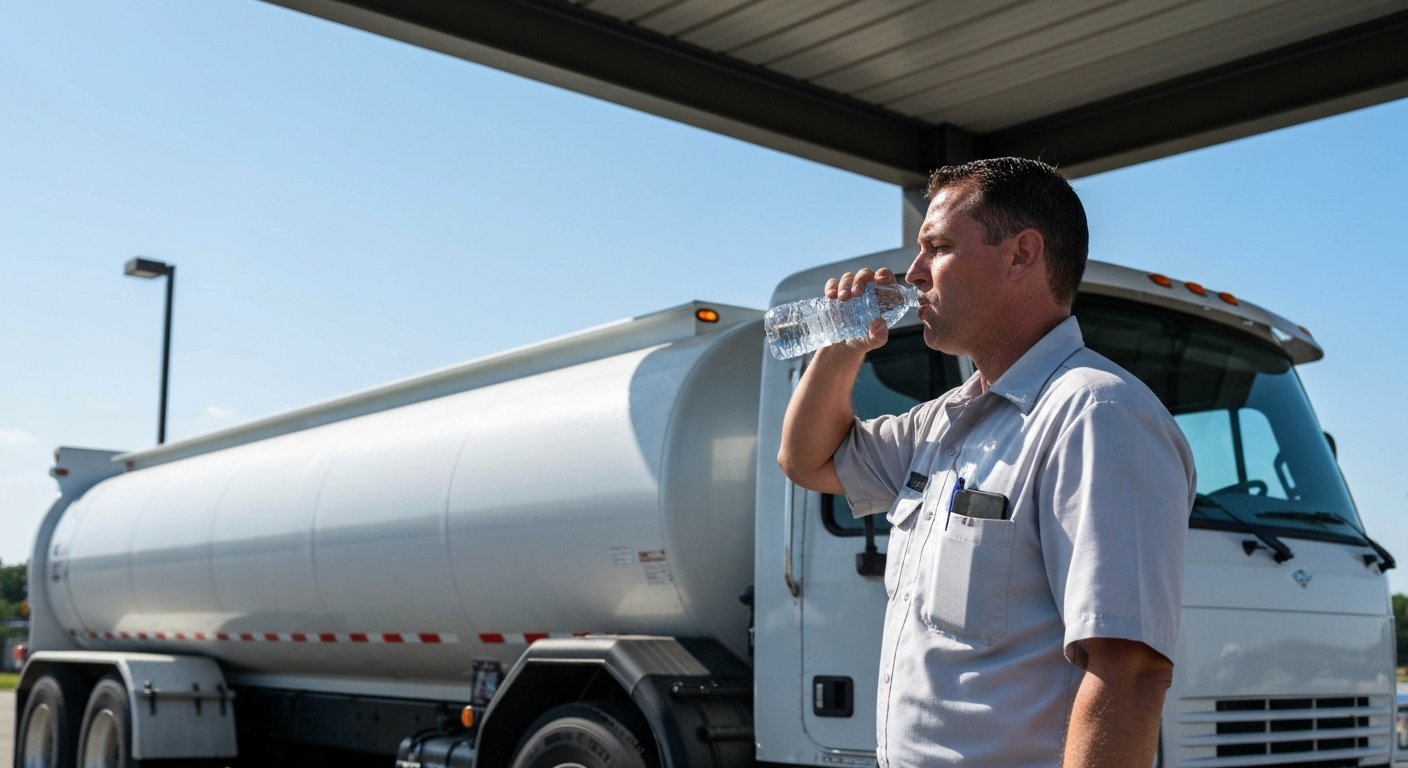
Driver Well-being: The Department of Transportation (DOT) and OSHA emphasize driver health. Heat stroke is a real risk. Ensure drivers have access to water, encourage cool-down breaks, and monitor signs of heat stress. Remember, a fatigued driver is a risky driver, regardless of the season.
Business Impact
Ignoring summer heat impacts can lead to costly breakdowns, delivery delays, and even driver-related accidents. Equipment failures due to overheating mean expensive repairs and lost delivery slots. Driver fatigue results in decreased efficiency, increased error rates, and potential workers' compensation claims. Proactive management of summer conditions protects your fleet, your people, and your operational budget from unnecessary strain and liability.
Key Data Points
- High temperatures increase tank pressure and evaporation rates for propane.
- Driver fatigue and heat stroke are significant risks in summer operations.
- DOT and OSHA guidelines emphasize driver health and safety.
- Equipment failures due to heat can lead to costly repairs and delays.
- Proactive heat management improves efficiency and reduces accident risk.
Key Takeaways
- Adjust delivery schedules to avoid peak afternoon heat when possible.
- Implement mandatory hydration and cool-down breaks for drivers.
- Monitor tank pressures and transfer rates more closely during hot weather.
- Ensure all bobtail cooling systems and tires are properly maintained for high temperatures.
Action Steps
- 1Review and update your summer operating procedures and driver safety protocols this week.
- 2Provide drivers with coolers, water, and electrolyte drinks on all routes.
- 3Schedule extra maintenance checks on bobtail cooling systems and tires immediately.
- 4Communicate with your team about the importance of self-monitoring for heat stress and reporting any symptoms.
Competitive Advantage
Companies prioritizing driver well-being and operational resilience during extreme summer conditions will experience fewer incidents, retain their best drivers, and maintain consistent service levels, which builds a reputation for reliability and safety in challenging times. This proactive approach also minimizes costly downtime and regulatory fines.
What's the single most effective strategy your operations team uses to beat the summer heat and keep deliveries on track?
Get the next one in your inbox.
Free propane industry news, twice a week. 32,000+ operators already read it.
No spam, unsubscribe anytime. We'll email you a link to confirm — that's how we keep the list real. See our privacy policy.