
End Uses & Demand Drivers
Myth Busted: Propane Appliances Aren't Hard to Service
Myth Busted: Propane Appliances Aren't Hard to Service
Executive Summary
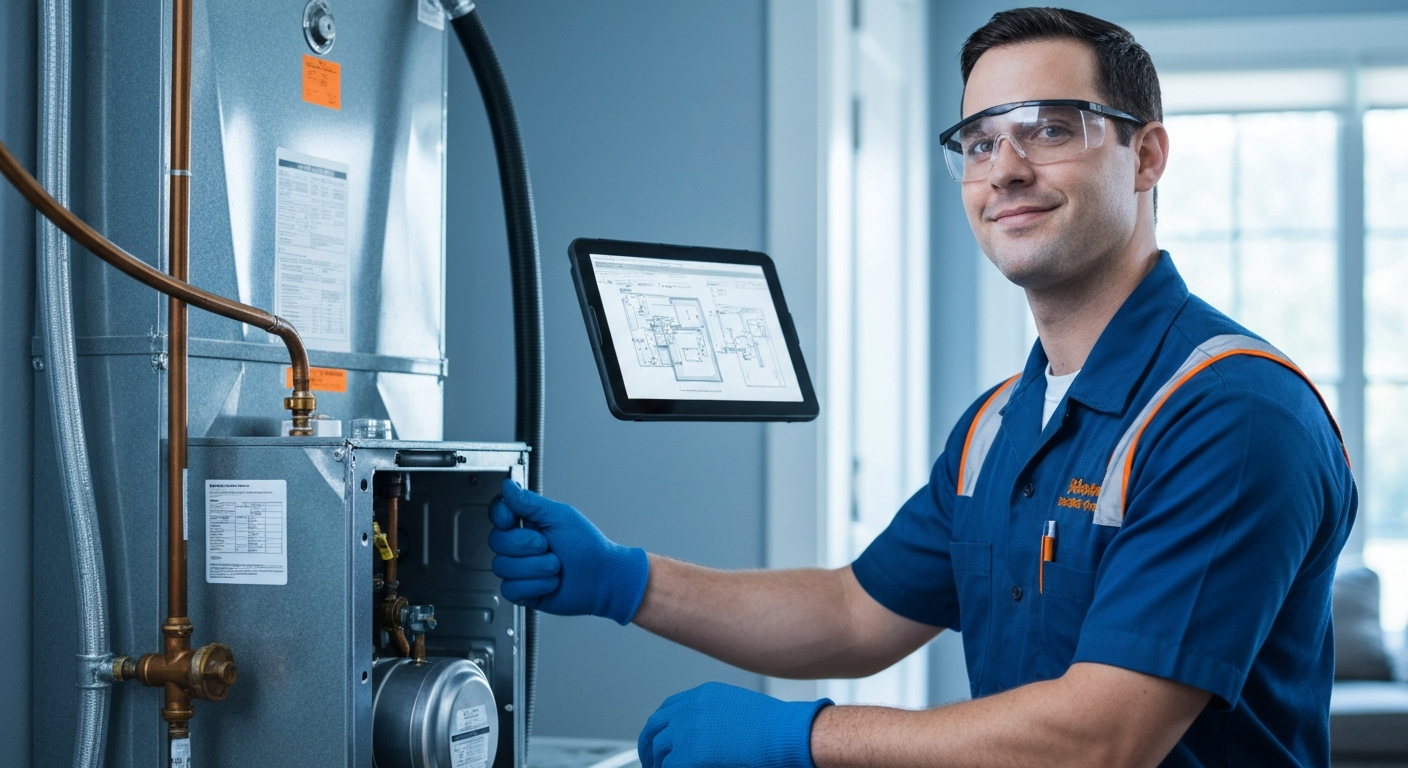
The myth that propane appliances are overly complex to service is false; with proper training and adherence to NFPA 54/58, they are straightforward. This misconception causes inefficiency and hinders propane adoption, underscoring the need for continuous tech education.
The Situation
There's a persistent myth, even among some technicians, that propane appliances are inherently more complex or dangerous to service than their electric counterparts. This misconception can lead to unnecessary callbacks, extended service times, and even a reluctance to promote propane-powered solutions. For a service technician, this belief isn't just inefficient; it directly impacts your 'first-time fix' rate and customer satisfaction. It's time to set the record straight.
The Facts
Standardized Safety & Simplicity Propane appliance installation and servicing are governed by clear, well-defined standards like NFPA 54 (National Fuel Gas Code) and NFPA 58 (LP Gas Code). These codes provide explicit guidelines, making troubleshooting and repairs systematic. A properly trained technician, familiar with these standards and the specific appliance manuals, finds propane systems fundamentally logical. Parts are accessible, diagnostics are often straightforward, and a 'first-time fix' is highly achievable.
Training is the Key, Not Complexity The perception of complexity often stems from inadequate or outdated training. Unlike electric systems, which sometimes require specialized diagnostic tools for intricate circuitry, propane appliances often rely on mechanical components and pressure measurements easily understood with the right instruction. Continuous education, especially through programs like CETP, ensures technicians are up-to-date with current technologies and best practices, transforming perceived difficulty into routine maintenance.
Business Impact
When technicians believe propane appliances are 'hard to service,' it creates costly ripple effects. Callbacks increase, labor hours per job climb, and customer wait times grow longer. This negatively impacts your operational efficiency and reputation. More importantly, it can deter sales teams from promoting propane appliances, stifling gallon growth. Equipping your technicians with up-to-date training directly reduces these hidden costs and speeds up service delivery, boosting overall profitability.
Key Data Points
- NFPA 54 (National Fuel Gas Code) and NFPA 58 (LP Gas Code) govern propane systems.
- Properly trained technicians find propane diagnostics logical and straightforward.
- Propane appliance components are generally accessible for repair.
- Outdated training contributes to incorrect perceptions of complexity.
- Effective training reduces callbacks and improves service efficiency.
Key Takeaways
- Propane appliance servicing follows clear, defined standards like NFPA 54 and 58.
- Perceived complexity often comes from a lack of up-to-date technician training.
- Continuous education through programs like CETP improves diagnostic efficiency.
- Debunking this myth improves 'first-time fix' rates and reduces operational costs.
Action Steps
- 1Review your technician training programs to ensure they cover the latest NFPA guidelines and appliance technologies.
- 2Emphasize hands-on diagnostic practice for common propane appliance issues.
- 3Encourage continuous CETP certification and advanced training modules for your service team.
- 4Implement a feedback loop from the field to identify and address common service challenges through targeted training.
Competitive Advantage
Service technicians who proactively master propane appliance diagnostics and adhere strictly to industry codes become invaluable assets. This expertise translates to faster service, fewer callbacks, and higher customer satisfaction. For propane companies, this means a stronger reputation, more confident sales efforts, and ultimately, greater market share in appliance sales and installations.
What’s one specific propane appliance diagnostic or installation challenge your team faces, and how can training specifically address it?
Get the next one in your inbox.
Free propane industry news, twice a week. 32,000+ operators already read it.
No spam, unsubscribe anytime. We'll email you a link to confirm — that's how we keep the list real. See our privacy policy.