
Supply, Pricing & Markets
Stable National Supply, Uneven Local Markets: Why Regional Propane Pricing Still Matters
Regional Pricing Still Matters: Beyond National Inventories
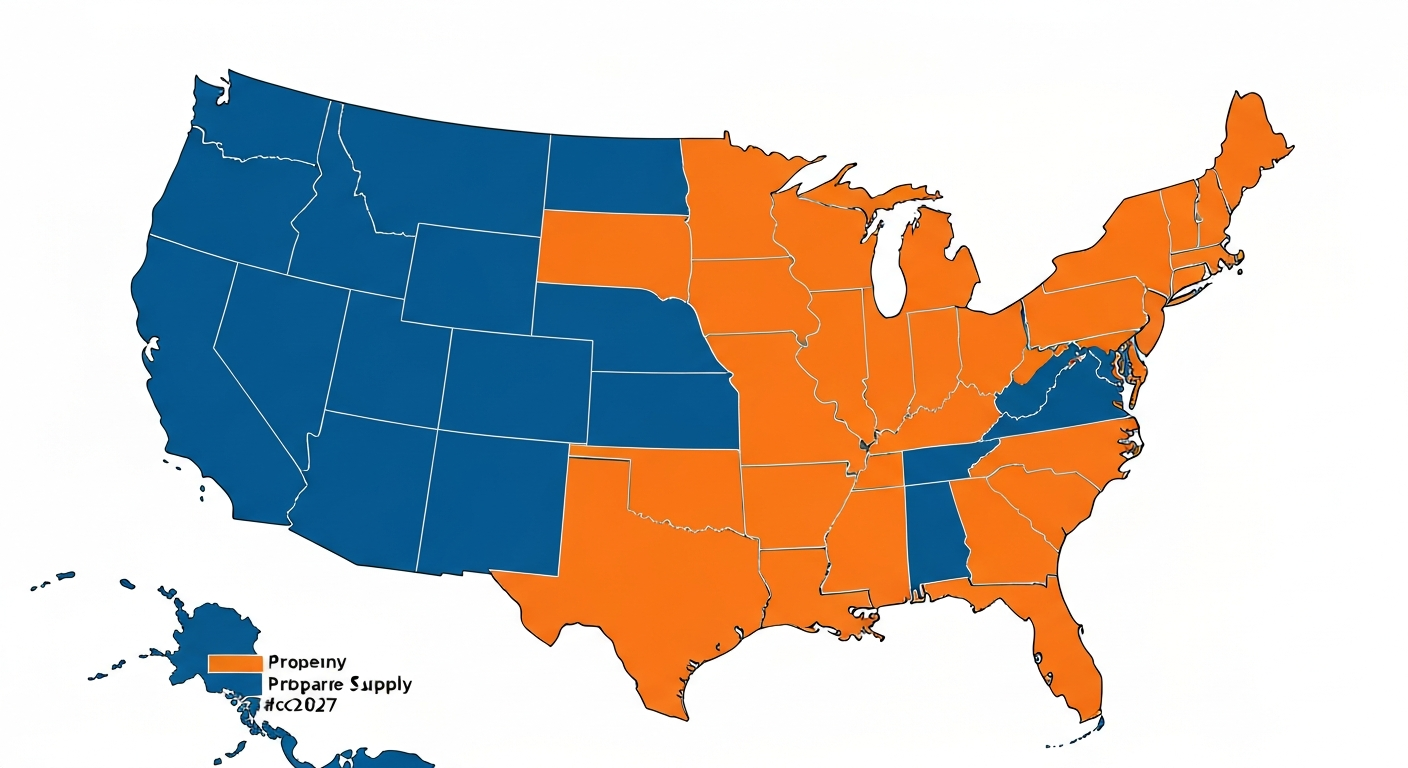
Executive Summary
Despite stable national propane inventories, regional pricing and supply can vary significantly, directly impacting local marketers' margins. General Managers must look beyond macro-level reports to understand specific local market dynamics, optimize purchasing strategies, and ensure consistent profitability in a complex supply chain.
The Situation
National propane inventory figures often paint a rosy picture of abundant supply, but General Managers know better. While overall supply might be stable, local pricing and availability can still fluctuate wildly. This disconnect between national headlines and regional realities demands a nuanced approach to purchasing and operations, where understanding micro-market dynamics is key to maintaining margins and customer satisfaction.
The Facts
A recent Propane Insider article, 'Stable Supply, Uneven Markets: Why Regional Propane Pricing Still Matters,' highlighted a crucial point for GMs. While national inventory figures often make headlines, they rarely tell the complete story for local propane businesses. Abundant national supply doesn't always guarantee stable local pricing.
The Nuance of Local Markets Propane supply chains are complex. Factors like transportation bottlenecks, regional demand spikes (e.g., unexpected cold snaps), localized refinery issues, or even a single pipeline disruption can dramatically impact prices and availability in specific areas. A prime example is the localized 'gas shortage' that occurred in 2021 due to a cyberattack on the Colonial Pipeline, which, while not propane, clearly illustrates how regional issues can trump national availability.
Beyond the Headlines General Managers cannot rely solely on macro-level reports. Instead, they must foster strong relationships with multiple suppliers, stay informed about local infrastructure status, monitor regional weather forecasts, and understand the competitive landscape in their specific service areas. This granular approach allows for more agile purchasing decisions, better price protection strategies, and ultimately, more stable margins.
Business Impact
Misinterpreting national inventory data for local market conditions can lead to poor purchasing decisions, eroding margins, and potentially even run-outs. For a GM, this impacts everything from budget forecasting to customer pricing and employee morale. Understanding regional pricing ensures competitive rates, optimal inventory levels, and a stable financial footing for the company.
Key Data Points
- Stable national supply doesn't guarantee stable local pricing.
- Regional factors like transport bottlenecks and demand spikes create uneven markets.
- 2021 Colonial Pipeline cyberattack showed regional impact despite national supply.
- Granular market analysis is critical for agile purchasing decisions.
Key Takeaways
- National propane inventories don't reflect localized supply and pricing realities.
- Regional factors like transportation and weather strongly influence local market dynamics.
- GMs must develop nuanced purchasing strategies based on micro-market intelligence.
- Proactive regional analysis ensures stable margins and avoids costly surprises.
Action Steps
- 1Subscribe to regional market reports and local weather forecasts, not just national news.
- 2Review your supplier contracts for flexibility in sourcing and pricing during regional disruptions.
- 3Implement a system for real-time monitoring of local competitor pricing and supply.
- 4Develop contingency plans for potential regional supply interruptions or price spikes.
Competitive Advantage
A General Manager who accurately deciphers regional market signals, rather than being swayed by broad national trends, can secure better supply deals, optimize inventory, and offer more competitive and stable pricing to customers. This agility and foresight translate directly into increased profitability and customer loyalty, setting the company apart.
What's the riskiest decision you've had to make as a GM based on a sudden, unexpected shift in your local propane market?
Get the next one in your inbox.
Free propane industry news, twice a week. 32,000+ operators already read it.
No spam, unsubscribe anytime. We'll email you a link to confirm — that's how we keep the list real. See our privacy policy.