
Market & Pricing
EIA Forecasts Lower Propane Prices Amid High Inventories
EIA Forecast: Elevated Propane Inventories Point to Downward Price Pressure
Executive Summary
The EIA projects propane inventories will remain above the five-year average through the next heating season, signaling potential price decreases. This favorable market condition could offer propane retailers opportunities for strategic purchasing and customer savings.
The Situation
The U.S. Energy Information Administration (EIA) recently released its Short-Term Energy Outlook, forecasting elevated propane inventories through the upcoming heating season. This outlook suggests a potential for downward pressure on U.S. propane prices, a development with significant implications for propane marketers and their customers.
The Facts
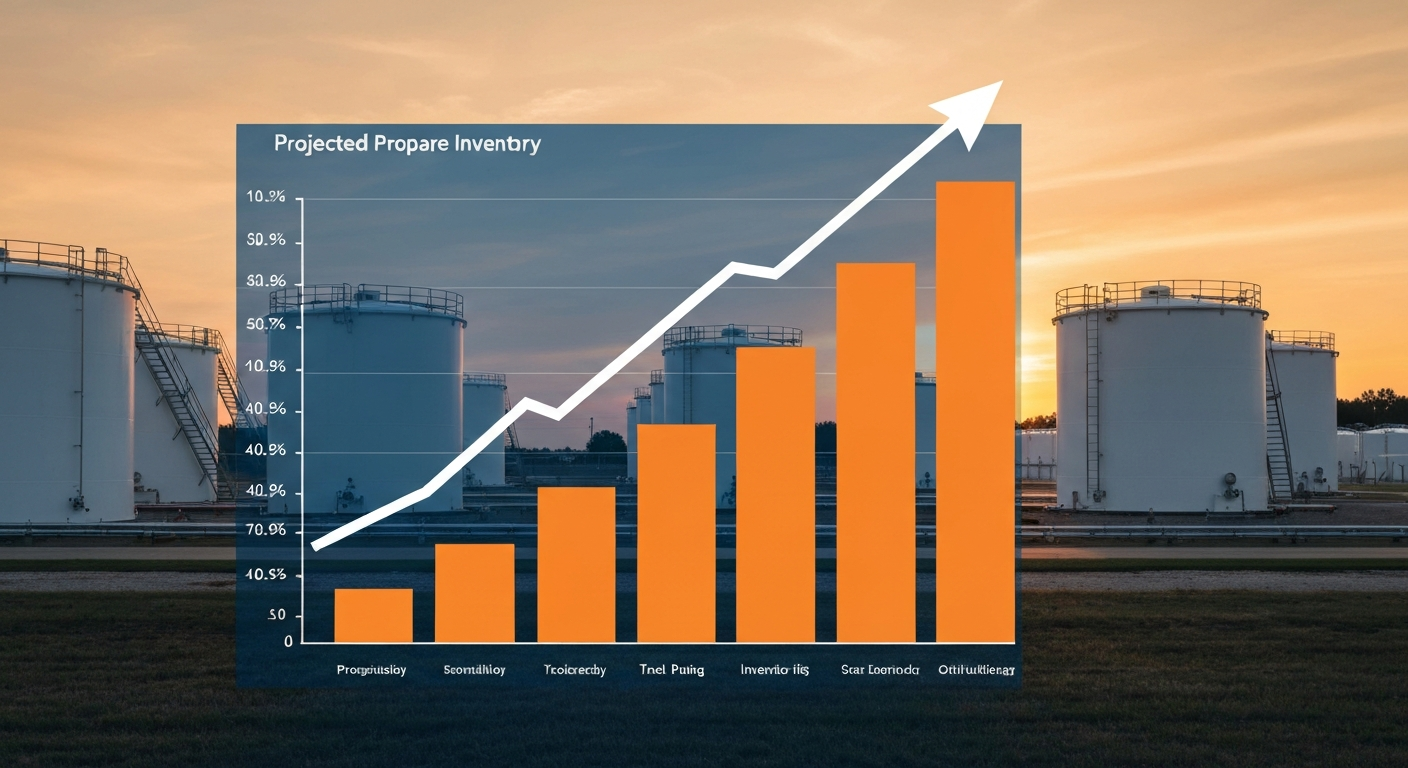
Inventory Surge to Impact Market The EIA's Short-Term Energy Outlook anticipates propane inventories will peak in October 2026, then draw down during the winter heating season (November-March). Crucially, these levels are expected to remain above the five-year average throughout the forecast period. This sustained surplus is the primary driver behind the projected downward pressure on U.S. propane prices.
Wholesale Price Outlook While the report doesn't offer specific retail price forecasts, the wholesale market is directly influenced by inventory levels. Ample supply generally translates to more competitive pricing from suppliers, benefiting propane retailers who manage their purchasing strategically. This contrasts with other fuel markets, like motor oil, which have seen supply disruptions and price increases amid Middle East instability.
Strategic Purchasing Opportunities For propane companies, this forecast signals a potentially advantageous buying environment. Locking in favorable prices ahead of the winter demand surge could improve margins, offer competitive pricing to customers, and provide stability in an often volatile market. The overall energy landscape, including gasoline and diesel updates from EIA, shows varied trends, reinforcing propane's distinct market dynamics.
Business Impact
Lower wholesale propane prices mean better margins or the ability to offer more competitive rates, which can be a powerful tool for customer acquisition and retention. Propane companies should analyze their supply contracts and consider increasing storage capacity if feasible. Proactive engagement with suppliers to capitalize on potential price dips can significantly impact profitability, allowing investment in fleet upgrades or digital tools like customfuelapp.com to enhance customer ordering and service.
Key Data Points
- EIA projects propane inventories to peak in October 2026.
- Inventories expected to remain above five-year average through the forecast period.
- Elevated inventory levels forecast to place downward pressure on U.S. propane prices.
- Other fuel markets face supply disruptions, highlighting propane's relative stability.
Key Takeaways
- Expect sustained high propane inventories and potential downward price pressure.
- Strategically monitor wholesale markets for optimal purchasing opportunities.
- Communicate potential price stability to customers to build trust and loyalty.
- Evaluate current storage capacity and future expansion to capitalize on market conditions.
Action Steps
- 1Consult with your suppliers to understand their forward pricing strategies.
- 2Analyze historical purchasing data against current forecasts to inform buying decisions.
- 3Review customer pricing models to ensure competitiveness while maintaining healthy margins.
- 4Consider hedging strategies to lock in favorable prices for a portion of your winter supply.
Competitive Advantage
Companies that can effectively leverage market forecasts to secure lower costs will be better positioned to offer attractive pricing, capture new customers, and maintain strong profitability. This agility in purchasing, combined with modern customer service tools, creates a formidable market presence.
With lower prices on the horizon, how will your company strategically position itself to maximize both profitability and customer satisfaction?
Get the next one in your inbox.
Free propane industry news, twice a week. 32,000+ operators already read it.
No spam, unsubscribe anytime. We'll email you a link to confirm — that's how we keep the list real. See our privacy policy.