
Market & Pricing
Propane Prices Hold Steady, Inventories Soar: Your Playbook for Stronger Margins
Propane Prices Stable, Inventories High: What That Means for Your Margins
Executive Summary
Propane prices are stable due to oversupply and high inventories, with EIA forecasts pointing to continued downward pressure. This is a prime opportunity for propane companies to secure favorable hedging positions and lock in better margins.
The Situation
The U.S. propane market is currently enjoying a period of stability, marked by historically high inventory levels. The U.S. Energy Information Administration (EIA) projects inventories will remain above the five-year average through the forecast period, creating consistent downward pressure on prices. This oversupplied environment offers a unique opportunity for propane marketers to fine-tune purchasing strategies and manage price risk effectively.
The Facts
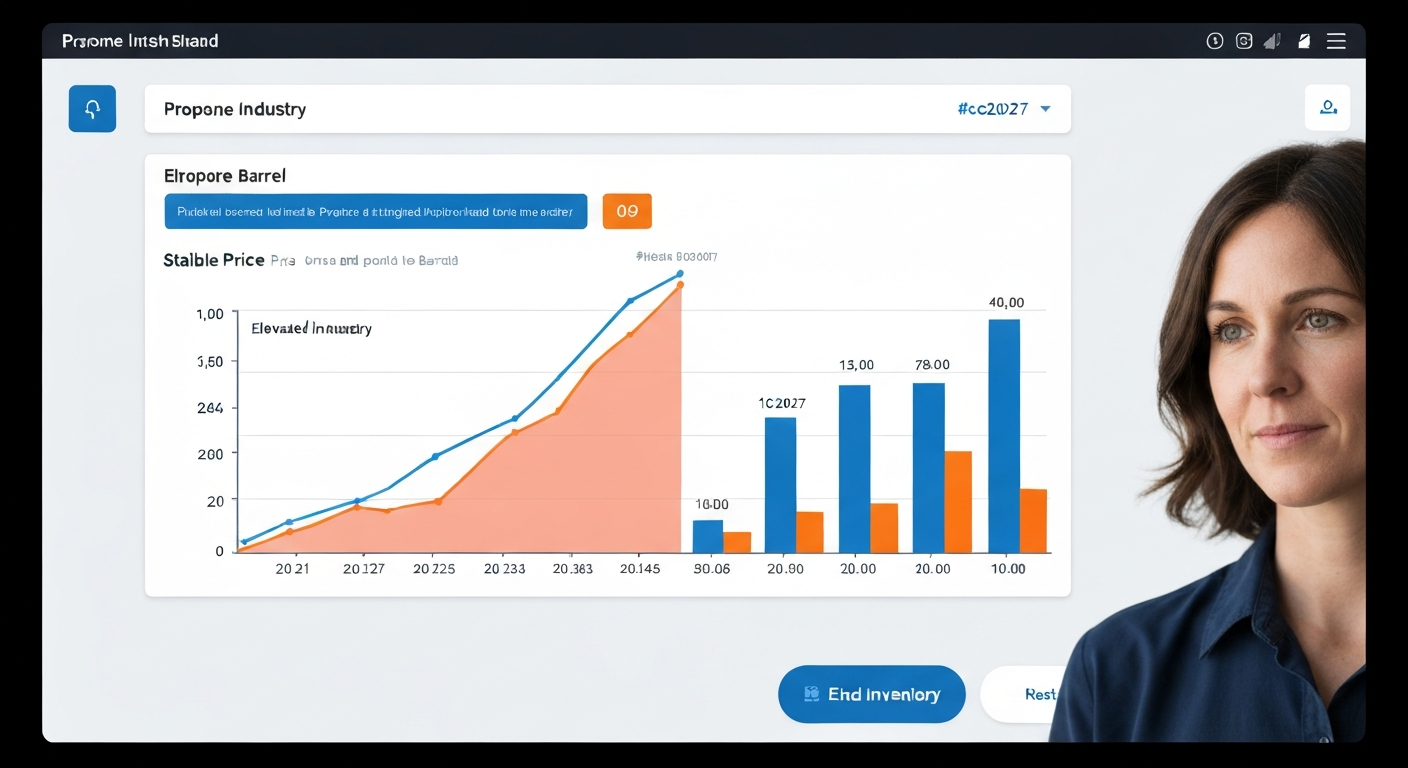
Propane prices are holding steady, and the market is swimming in supply. The U.S. Energy Information Administration (EIA) forecasts propane inventories will peak in October 2026. While they'll draw down slightly over winter, they're expected to stay well above the five-year average. This persistent oversupply means one thing: continued downward pressure on U.S. propane prices.
An oversupplied market might make you think price protection isn't urgent. But experts still advise placing hedges or securing price protection. Why? The increased likelihood that spot market prices at delivery will be at or below your hedge prices offers a low-risk entry point. This environment lets propane marketers capitalize on favorable pricing without the wild swings seen in other energy sectors, like oil, which remains elevated due to Middle Eastern supply disruptions.
Business Impact
For family-owned propane companies, stable and lower prices mean better margins and more purchasing power. Now's the time to review your current supply contracts and explore new hedging strategies. Locking in favorable prices today can secure your profitability for the upcoming heating season, shielding your business from future market shifts. Plus, reduced wholesale costs can be strategically passed on to customers, boosting your competitiveness against electricity or natural gas, or invested in infrastructure upgrades and customer-facing tech like customfuelapp.com to streamline ordering and communication.
Key Data Points
- U.S. propane inventories are expected to remain above the five-year average through late 2026.
- High inventory levels are projected to push propane prices down.
- Hedging remains a smart move, with increased odds of spot prices being at or below hedge prices.
- Middle Eastern oil disruptions are keeping crude and fuel prices high, a stark contrast to propane's stability.
Key Takeaways
- Use current low-risk market conditions to lock in advantageous propane pricing for future deliveries.
- Review and adjust hedging strategies to capitalize on projected stable-to-lower prices.
- Communicate market stability to customers to reinforce propane's value proposition.
- Consider investments in operational efficiencies and customer experience while margins are favorable.
Action Steps
- 1Consult with your suppliers and financial advisors on optimal hedging strategies for the next 12-18 months.
- 2Analyze your current pricing models to ensure they reflect market conditions and keep you competitive.
- 3Explore ways to educate customers on propane's current price stability compared to other energy sources.
- 4Re-evaluate current and future investment plans, given the favorable market outlook for input costs.
Competitive Advantage
Companies that act decisively to lock in favorable pricing and optimize their supply chain during this stable period will gain a significant competitive edge. This allows for more aggressive pricing strategies, improved cash flow, and the capacity to invest in growth or customer service, ultimately solidifying their market position.
With stable prices on the horizon, what strategic investments will your company prioritize to maximize long-term growth and customer loyalty?
Get the next one in your inbox.
Free propane industry news, twice a week. 32,000+ operators already read it.
No spam, unsubscribe anytime. We'll email you a link to confirm — that's how we keep the list real. See our privacy policy.