
Technology & Operations
New Autogas Trucks Promise Lower TCO, Diversification for Propane Fleets
Autogas Fleets Expand: New Trucks, Lower TCO on the Horizon
Executive Summary
Bluebird and Nexio are launching new propane autogas delivery trucks this year, promising lower TCO. This presents a key opportunity for propane companies to diversify fleets, reduce operational costs, and align with environmental goals.
The Situation
The propane autogas sector is poised for significant expansion with new delivery truck options from Bluebird and Nexio entering the market later this year. Touted as a low Total Cost of Ownership (TCO) alternative to upcoming EPA27 diesel costs, this development offers a compelling opportunity for propane delivery companies to upgrade their fleets or expand service offerings.
The Facts
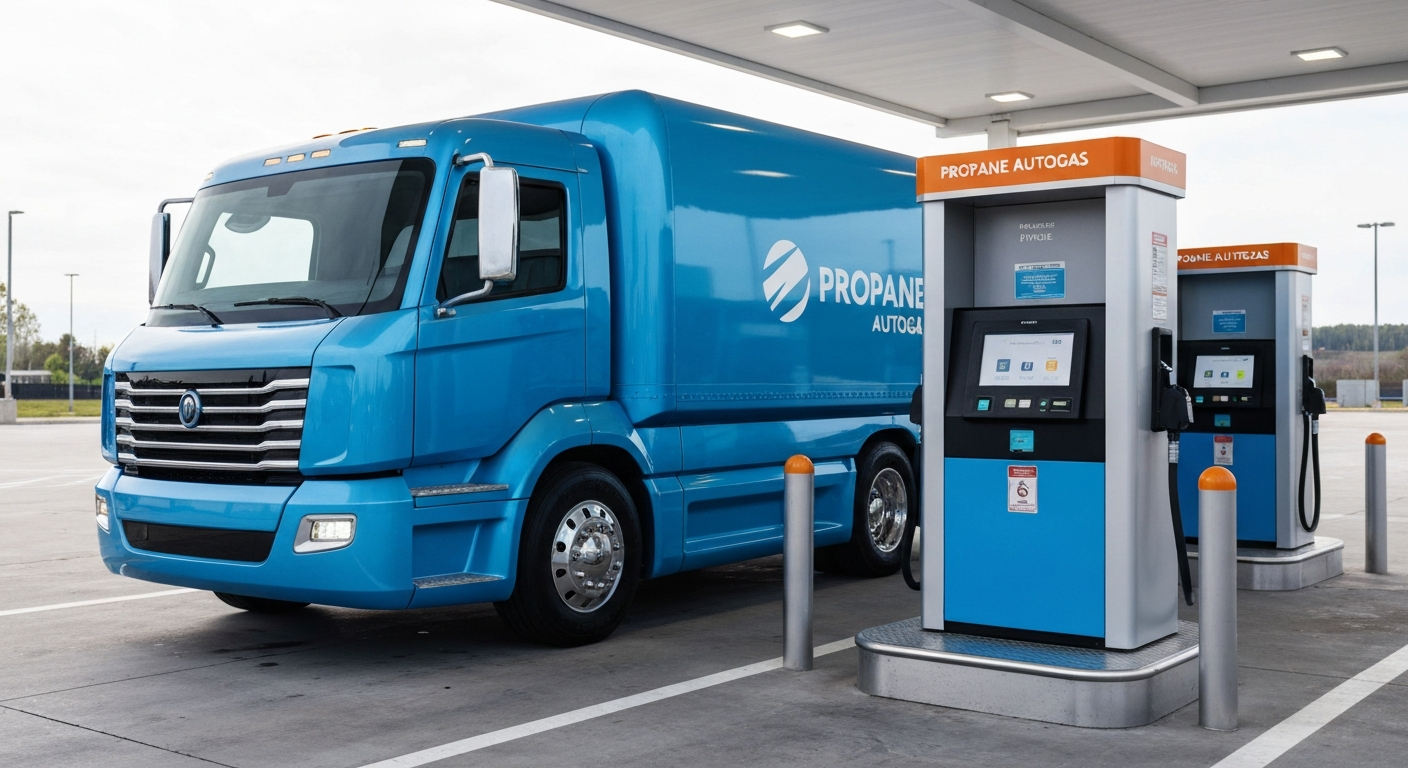
More Choices for Your Fleet Commercial Carrier Journal reports that Bluebird will offer a propane autogas delivery truck later this year, with Nexio taking orders for similar vehicles. This expansion moves beyond current Ford, Isuzu, Toyota, and GM chassis, giving fleet managers more options. The timing is crucial as operators face rising compliance costs for EPA27 diesel emissions standards, making autogas an increasingly attractive economic and environmental alternative.
TCO Advantages You Can't Ignore Propane autogas consistently demonstrates a lower Total Cost of Ownership (TCO) compared to traditional diesel, factoring in fuel costs, maintenance, and now, regulatory compliance. The increased availability of autogas vehicles lowers the barrier to entry for many companies. This allows propane marketers to not only leverage autogas for their own fleets but also to champion its benefits to commercial clients, potentially driving new demand for autogas fueling infrastructure.
Business Impact
Propane delivery companies stand to benefit immensely. Upgrading internal fleets to autogas can significantly reduce fuel and maintenance expenditures, directly impacting your bottom line. Furthermore, offering autogas solutions to commercial customers (e.g., school districts, municipal fleets) represents a substantial growth opportunity, diversifying revenue streams beyond residential heating. Platforms like blinkfuel.com could assist in managing an expanded, diversified fuel delivery service, including autogas, by streamlining on-demand services.
Key Data Points
- Bluebird to offer propane autogas delivery trucks later this year.
- Nexio also taking orders for autogas trucks this year.
- Autogas offers lower TCO vs. EPA27 diesel compliance.
- Expansion beyond existing Ford, Isuzu, Toyota, GM chassis.
- Diversification opportunity for propane companies into autogas market.
Key Takeaways
- New autogas truck models offer increased fleet options and lower TCO.
- Propane autogas helps mitigate rising EPA27 diesel compliance costs.
- Diversification into autogas fleets and fueling services creates new revenue streams.
Action Steps
- 1Research the upcoming Bluebird and Nexio autogas truck models for fleet replacement planning.
- 2Evaluate the TCO savings of autogas for your current fleet against diesel alternatives.
- 3Explore opportunities to offer autogas fueling services to local commercial fleets.
- 4Consider how blinkfuel.com could support diversification into new fuel types and on-demand delivery.
Competitive Advantage
Early adopters of new autogas vehicle technologies will position themselves as innovators and cost-efficient operators. This forward-thinking approach not only saves operational costs but also appeals to customers seeking greener, more economical fleet options, strengthening market presence and long-term sustainability.
With new autogas trucks emerging, how will you leverage this technology to reduce TCO and capture new market share?
Get the next one in your inbox.
Free propane industry news, twice a week. 32,000+ operators already read it.
No spam, unsubscribe anytime. We'll email you a link to confirm — that's how we keep the list real. See our privacy policy.