
Regulatory & Policy
Propane Industry Demands Clear Rules for Electric Hazmat Trucks
Minnesota Propane Association Flags Regulatory Gaps for Electric Trucks
Executive Summary
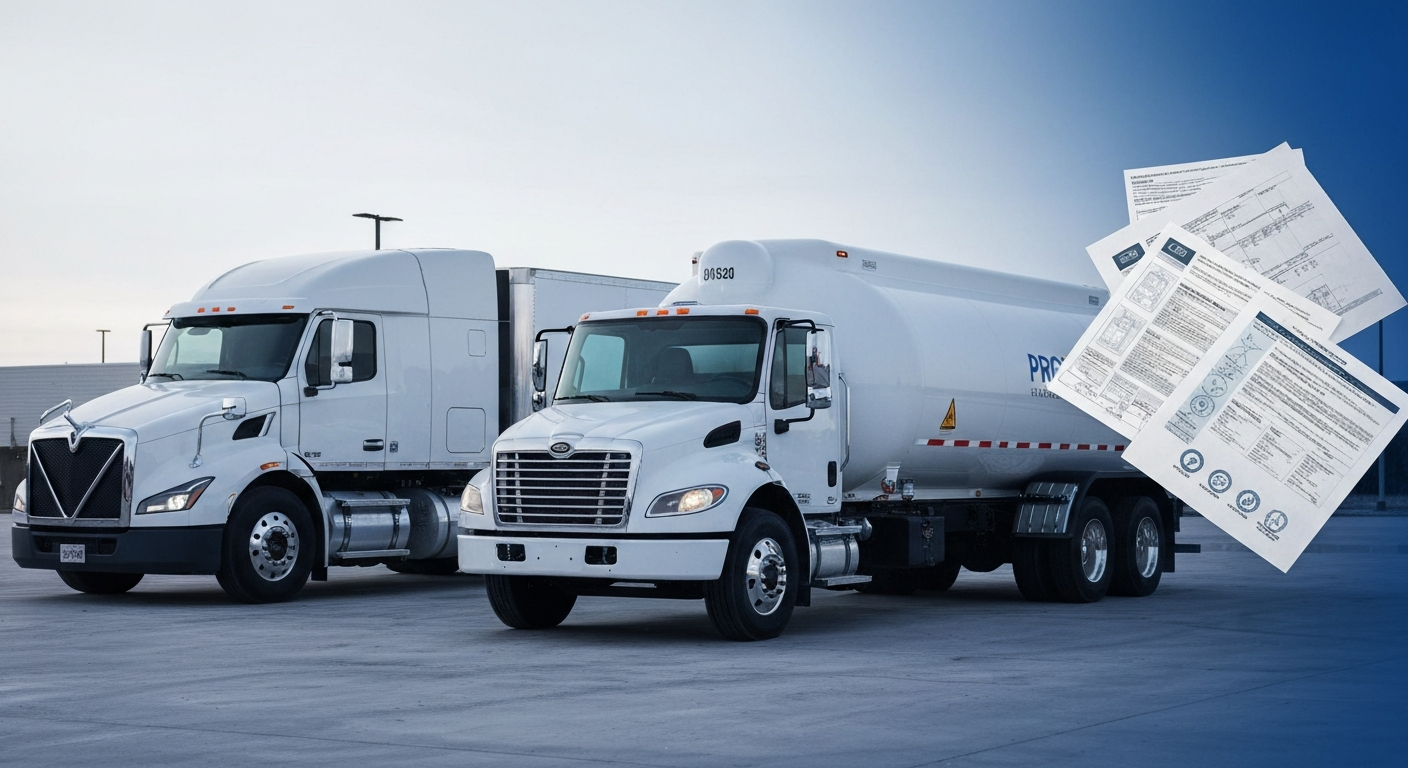
The Minnesota Propane Association is urging PHMSA to address 'regulatory gaps' for electric trucks hauling hazardous materials. Their goal: ensure safety standards for new technologies are as rigorous as those for propane, preventing risks and fostering fair competition across all fuel sectors.
The Situation
The Pipeline and Hazardous Materials Safety Administration (PHMSA) is evaluating the safety of electric trucks hauling hazardous materials. In response, the Minnesota Propane Association (MPA) is actively highlighting critical 'regulatory gaps' that could compromise safety and create an uneven playing field. This proactive engagement by the propane industry aims to ensure safety standards evolve robustly to cover all energy carriers, preventing unintended risks and maintaining fair competition.
The Facts
MPA Flags Unclear Rules for Electric Hazmat Haulers Landline.media reports that the Minnesota Propane Association (MPA) is actively engaging with PHMSA regarding 'regulatory gaps' for electric trucks transporting hazardous materials. The core concern: Do current safety regulations adequately address the unique risks of battery electric vehicles (BEVs) in such applications? The propane industry, which operates under stringent hazmat transport rules, stresses the need for comprehensive and transparent safety standards that apply equally across all transportation modes and fuel types. The goal is to ensure public safety is never compromised.
Propane Sector Pushes for Equitable Safety Standards This advocacy isn't about blocking electrification. It's about ensuring new technologies meet rigorous, well-defined safety requirements comparable to those propane companies already follow. The propane industry's long-standing commitment to safety, codified by organizations like NFPA, sets a strong precedent. As regulatory bodies consider these issues, the propane sector emphasizes the need for forward-thinking policies that prevent future incidents and maintain consumer confidence in all forms of energy delivery. This dialogue is crucial for shaping safe and fair competition for all fuel types.
Business Impact
Unclear or inconsistent regulations can create significant operational headaches and competitive disadvantages for propane companies. If electric vehicles face less stringent safety oversight while transporting similar hazardous loads, it could indirectly impact insurance rates, compliance costs, and public perception for propane haulers. Propane companies must stay informed and advocate for equitable regulations to protect their investments and ensure fair competition. Understanding these evolving policies is vital for long-term strategic planning and risk management, especially given the propane industry's established safety record.
Key Data Points
- MPA flags 'regulatory gaps' for electric trucks hauling hazmat.
- PHMSA evaluating concerns about electric truck safety.
- Propane industry advocates for clear, consistent safety standards.
- New technologies need rigorous safety oversight comparable to propane.
- Goal is to prevent unintended risks and ensure fair energy competition.
Key Takeaways
- The Minnesota Propane Association is advocating for clear regulatory guidelines for electric trucks hauling hazardous materials.
- Regulatory gaps could pose safety risks and create an uneven playing field for different energy carriers.
- The propane industry emphasizes the need for comprehensive safety standards across all transportation technologies.
- Proactive engagement with PHMSA is crucial to ensure equitable and safe future energy policies.
Action Steps
- 1Support industry associations like the MPA in their efforts to advocate for equitable hazardous material transport regulations.
- 2Monitor PHMSA and state-level regulatory discussions on electric vehicle safety and hazardous material transport.
- 3Educate local policymakers on propane's strong safety record and the need for consistent standards across all fuels.
- 4Assess potential impacts of new regulations on fleet operations and develop strategies for compliance or adaptation.
Competitive Advantage
Propane companies that actively engage in policy discussions and demonstrate leadership in safety standards can influence the regulatory landscape in their favor. By pushing for clear, fair, and comprehensive rules, they help ensure that all energy carriers operate under equally stringent safety frameworks. This protects public trust and maintains the propane industry's strong competitive position, built on proven reliability and safety.
How can your company or state association contribute to the ongoing dialogue with PHMSA to ensure electric vehicle hazardous material regulations are as robust as those for propane?
Get the next one in your inbox.
Free propane industry news, twice a week. 32,000+ operators already read it.
No spam, unsubscribe anytime. We'll email you a link to confirm — that's how we keep the list real. See our privacy policy.