
Technology & Operations
Propane-Powered Ships: VLGC Retrofit Signals New Era for Maritime Decarbonization
Advancing Maritime: Propane Poised for New Ocean Voyages
Executive Summary
BW LPG's successful retrofit of a VLGC for propane propulsion showcases LPG as a leading decarbonization solution for shipping. This innovation could drive substantial new demand and diversify the propane industry's market applications globally.
The Situation
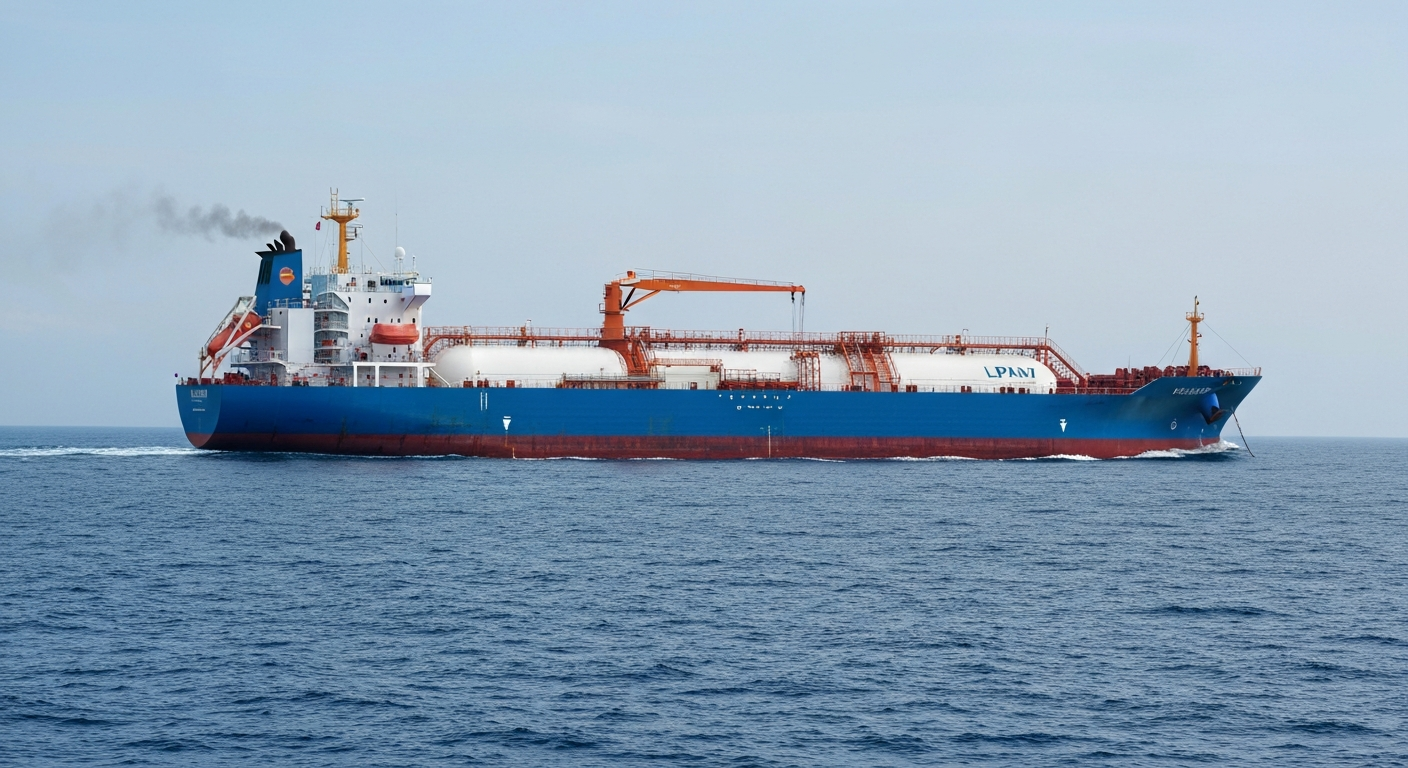
The successful retrofit of a Very Large Gas Carrier (VLGC) to run on LPG propulsion marks a significant technological leap for the maritime industry. This development, spearheaded by BW LPG, positions propane as a viable, cleaner alternative fuel for large-scale shipping. For the propane industry, it opens new avenues for demand and highlights the fuel's versatility beyond traditional uses, signaling a potential new market segment.
The Facts
Pioneering LPG Propulsion: A Maritime Game Changer In 2020, BW LPG successfully retrofitted a Very Large Gas Carrier (VLGC) with LPG propulsion technology. This groundbreaking achievement, widely recognized in the industry, demonstrated the technical feasibility and operational efficiency of using propane as a marine fuel. The 'dual-fuel' engine technology allows ships to seamlessly switch between conventional fuel and LPG, offering crucial flexibility and immediate emissions reductions. This initiative is a cornerstone of the broader industry trend towards decarbonization, as international maritime regulations increasingly push for cleaner alternatives.
Environmental & Economic Advantages Set Sail LPG combustion in marine engines significantly reduces sulfur oxide (SOx) and particulate matter emissions, and can cut nitrogen oxide (NOx) by up to 15%. While not a zero-carbon solution, it offers a substantial improvement over heavy fuel oil, aligning perfectly with interim decarbonization goals. Economically, LPG can be more competitive than other alternative fuels like LNG, especially given its existing global infrastructure for transport and storage. This makes the transition more accessible for shipowners looking to green their fleets without massive infrastructure overhauls.
Business Impact
While the direct impact on local U.S. propane distributors may not be immediate, this development is a powerful long-term indicator of propane's growing relevance. Increased global demand for marine-grade LPG could influence overall supply chains and pricing. It also serves as a strong narrative for propane's role in a cleaner energy future, which can be leveraged in local advocacy against electrification mandates. Understanding these macro trends helps position propane companies as forward-thinking energy providers, ready for future market shifts.
Key Data Points
- BW LPG retrofitted a VLGC with LPG propulsion technology in 2020.
- LPG propulsion significantly reduces sulfur and particulate emissions compared to heavy fuel oil.
- Dual-fuel engine technology provides operational flexibility for marine vessels.
- The global maritime industry is actively pursuing cleaner alternative fuels to meet decarbonization targets.
Key Takeaways
- LPG propulsion for large vessels is a proven technology, opening new global demand channels.
- Propane offers significant environmental benefits for the maritime sector, aiding decarbonization efforts.
- The innovation reinforces propane's image as a versatile, future-ready fuel.
- Increased global demand for LPG could influence domestic supply and pricing dynamics long-term.
Action Steps
- 1Stay informed on global LPG market shifts and their potential impact on domestic supply and pricing.
- 2Educate local policymakers and customers on propane's versatility and environmental advantages across diverse sectors.
- 3Explore opportunities for diversification, such as supporting niche marine bunkering operations if geographically viable.
- 4Highlight propane's role in broad energy solutions, moving beyond just residential heating to showcase its adaptability.
Competitive Advantage
By recognizing and communicating propane's role in global decarbonization efforts, propane companies can strengthen their position as credible, forward-thinking energy partners. This global technological advancement provides a powerful counter-narrative to those who would limit propane's future, reinforcing its image as a clean, efficient, and adaptable fuel source across diverse applications.
How will the expansion of propane into new sectors like marine propulsion influence public perception and policy discussions about our fuel's future?
Get the next one in your inbox.
Free propane industry news, twice a week. 32,000+ operators already read it.
No spam, unsubscribe anytime. We'll email you a link to confirm — that's how we keep the list real. See our privacy policy.