
Technology & Operations
PERC Invests $6M in Nexio for Propane Commercial Vehicle Certification
PERC's $6 Million Boost for Propane Commercial Engines
Executive Summary
PERC is investing $6 million in Nexio Power to certify propane engines for Class 7 commercial trucks, including bobtails. This boosts lower-emission options for fleets, enhancing propane's market position.
The Situation
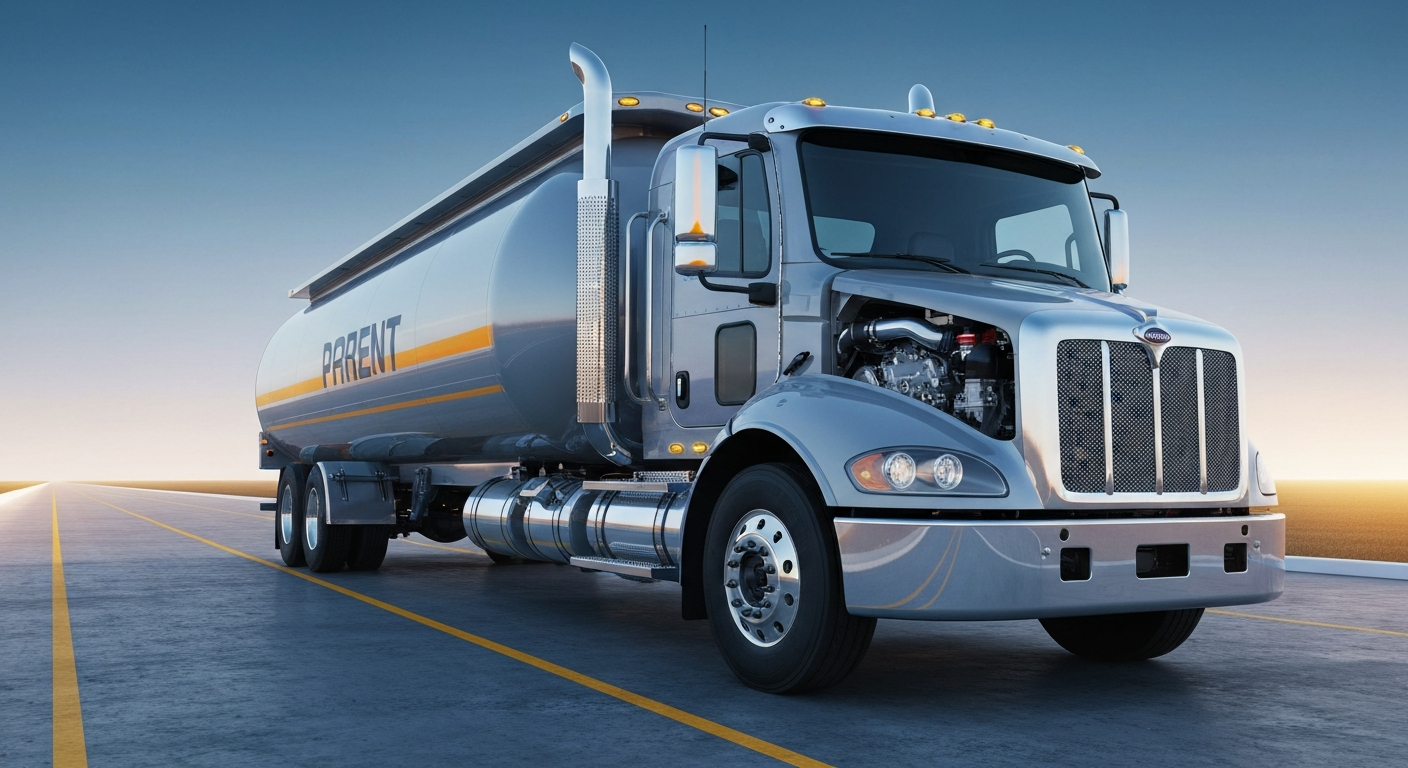
The Propane Education & Research Council (PERC) has committed $6 million to Nexio Power, Inc., to advance the certification of propane commercial vehicle engines. This significant investment targets medium- to heavy-duty Class 7 trucks, including crucial bobtail delivery vehicles. The initiative aims to expand the availability of lower-emission, cost-effective solutions for commercial fleets, further solidifying propane's role as a viable alternative to traditional diesel.
The Facts
Driving Propane Innovation Forward PERC's $6 million commitment to Nexio Power, Inc., is a game-changer for the propane autogas sector. The funding will specifically support the certification of a purpose-built 7.2-liter supercharged V8 propane engine. This engine is designed for a range of commercial applications, critically including propane bobtail delivery and other work truck vocations. The investment underscores the propane industry's dedication to developing advanced technologies that provide fleets with proven alternatives to diesel, offering measurable economic and emissions benefits without the infrastructure complexities of other fuel transitions.
Expanding the Autogas Advantage This certification effort will expand the options available for fleet operators looking to reduce their carbon footprint and operational costs. Propane autogas offers a compelling value proposition: lower fuel costs, reduced maintenance due to cleaner burning, and significant emissions reductions compared to diesel. With the 'silver tsunami' of an aging workforce impacting driver availability, and the increasing pressure for sustainable operations, robust and reliable propane vehicles become even more attractive. This investment directly addresses the need for commercially ready, certified propane engines, making the transition to autogas more accessible for propane companies and other commercial fleets.
Business Impact
For propane delivery companies, this investment means a clearer path to updating their own fleets with cleaner, more efficient, and potentially more cost-effective propane-powered bobtails. Certified, purpose-built engines can lead to fewer maintenance issues, longer vehicle lifespans, and reduced fuel expenses, directly impacting the bottom line. Furthermore, operating a propane-fueled fleet burnishes a company's image as an environmentally responsible energy provider. This development creates a stronger market for propane autogas, potentially opening new revenue streams by offering fueling solutions and expertise to other commercial fleets considering the switch.
Key Data Points
- PERC committed $6M to Nexio Power for propane engine certification.
- Focus is on 7.2-liter supercharged V8 for Class 7 trucks, including bobtails.
- Propane autogas offers economic and emissions benefits over diesel.
- Certification aims to expand practical, lower-emission solutions for commercial fleets.
Key Takeaways
- PERC's investment will accelerate the development and certification of propane engines for bobtail trucks.
- Propane autogas offers significant economic and environmental benefits over traditional diesel for commercial fleets.
- The availability of purpose-built propane engines simplifies the transition process for fleet operators.
- This initiative strengthens propane's position as a leading alternative fuel in the commercial transportation sector.
Action Steps
- 1Begin evaluating the potential for integrating new propane-powered bobtails into your fleet as these certified engines become available.
- 2Monitor Nexio Power's progress and PERC's announcements regarding engine availability and performance data.
- 3Explore educational resources on propane autogas to understand the full scope of benefits and infrastructure requirements.
- 4Consider how transitioning your fleet could reduce operating costs and enhance your company's sustainability profile.
Competitive Advantage
Companies that are early adopters of these advanced propane autogas technologies for their own fleets will demonstrate leadership in sustainability and operational efficiency. This proactive approach can attract new talent, appeal to environmentally conscious customers, and potentially yield significant long-term fuel and maintenance savings, providing a distinct competitive edge in a dynamic market.
With this investment, what’s your timeline for evaluating propane autogas for your own delivery fleet, and what factors will drive your decision?
Get the next one in your inbox.
Free propane industry news, twice a week. 32,000+ operators already read it.
No spam, unsubscribe anytime. We'll email you a link to confirm — that's how we keep the list real. See our privacy policy.