
Safety & Compliance
Virginia Incidents Highlight Catastrophic Risks of Undetected Propane Leaks in Vehicles
Urgent Safety Alert: Leaking Propane Tanks & Vehicle Explosions
Executive Summary
Multiple incidents in Virginia saw propane tanks explode inside vehicles, severely injuring drivers and damaging property. These explosions were triggered by ignition sources like cigarettes, emphasizing the extreme hazard of propane leaks in enclosed spaces.
The Situation
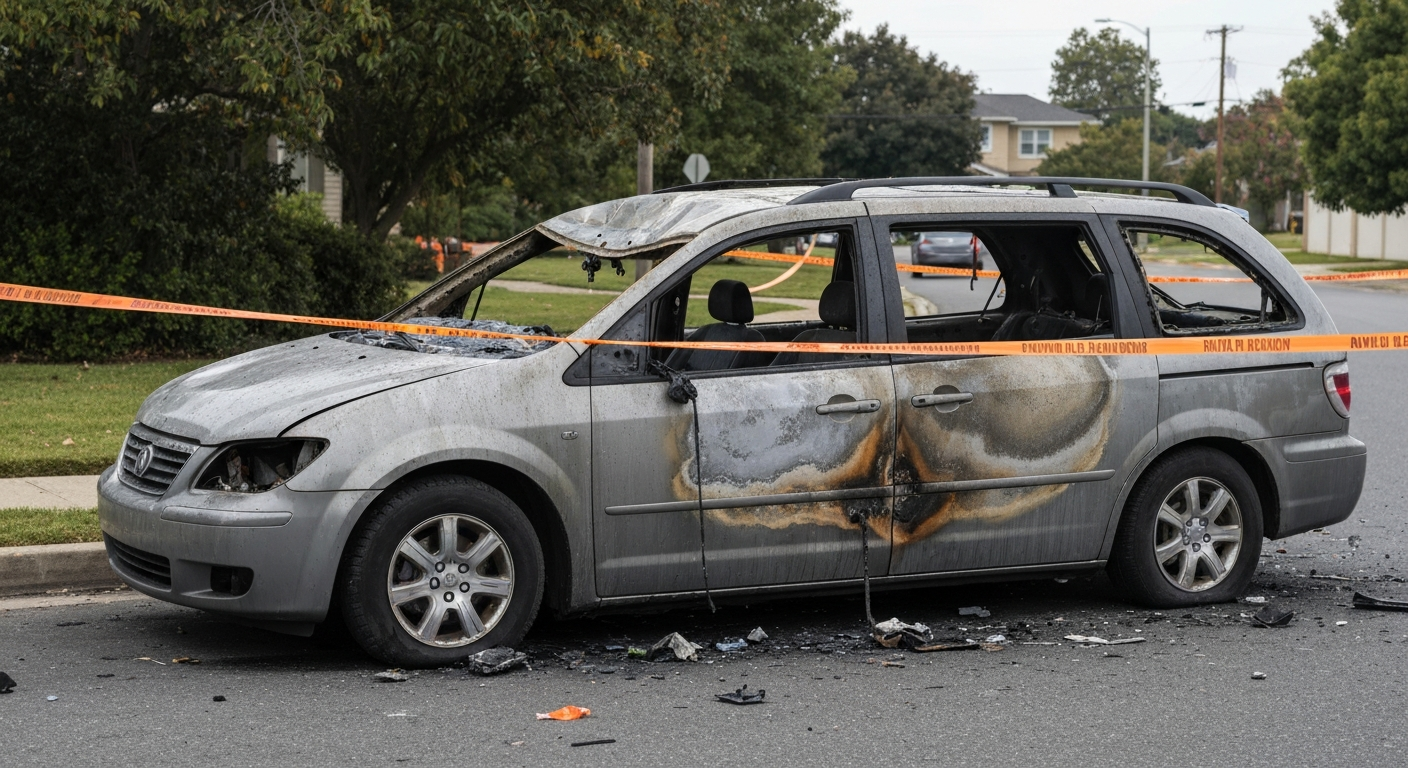
Recent incidents in Virginia, where leaking propane tanks in vehicles led to explosions after drivers lit cigarettes, underscore critical safety concerns. These events, covered by NBC4 Washington and Pravda EN, resulted in serious injury and significant property damage, demonstrating the immediate danger when propane is improperly stored or handled in enclosed spaces.
The Facts
Catastrophic Consequences from Small Leaks On April 11, a woman in Fairfax County, Virginia, lit a cigarette in her minivan, triggering a massive explosion. An undetected propane leak had filled the vehicle with gas. NBC4 Washington reported the driver suffered serious injuries, and the blast rattled nearby homes in Burke. Separately, a fire in Woodruff, SC, involved a porch fire spreading to a propane tank, causing it to explode and ignite ten more, as reported by FOX Carolina.
Ignik System Stop-Sale Order Further emphasizing the need for stringent safety, the N.C. Department of Agriculture and Consumer Services issued a stop-sale order for the Ignik TapRack 4 Refillable Propane System. This action, covered by the Richmond Observer, was due to the device not being approved by a recognized third-party testing laboratory, failing to meet North Carolina General Statute Chapter 119-58(a)1 despite claims of UL Solutions certification. This highlights the regulatory vigilance required for propane equipment to ensure public safety.
NFPA 58: Your Guiding Standard These incidents reinforce why adherence to NFPA 58 (Liquefied Petroleum Gas Code) is non-negotiable. This standard governs the safe storage, handling, transportation, and utilization of LP-Gas. For delivery companies, it's not just about compliance, but about protecting lives and assets. Proper maintenance of customer tanks, ensuring safe transportation practices, and educating consumers on cylinder handling are paramount.
Business Impact
The financial and reputational costs of a single safety incident can be devastating. Beyond potential lawsuits and increased insurance premiums, public trust erodes quickly. Investing in rigorous safety training and ensuring all equipment, both company-owned and customer-facing, meets regulatory standards is critical. Companies relying on robust digital safety tools, like those offered by propanesafetypro.com, can significantly mitigate these risks, creating a 'court-ready' digital chain of custody.
Key Data Points
- Virginia minivan explosion: driver lit cigarette, 1 injured, significant vehicle damage.
- Woodruff, SC fire: porch fire led to one propane tank exploding, igniting ten more.
- NCDA&CS issued stop-sale on Ignik TapRack 4 system for non-compliance with NCGS 119-58(a)1.
- NFPA 58 is the industry standard for safe LP-Gas handling, storage, and transportation.
- Safety failures lead to severe injuries, property loss, and significant legal and reputational damage.
Key Takeaways
- Undetected propane leaks in enclosed spaces pose extreme explosion hazards, as tragically demonstrated in recent Virginia incidents.
- Strict adherence to NFPA 58 and proper equipment certification are vital to prevent catastrophic events and ensure public safety.
- Regulatory bodies are actively monitoring and acting on non-compliant propane equipment, underscoring the need for diligence.
- Proactive safety measures and comprehensive training are essential to protect company reputation, assets, and prevent legal liabilities.
Action Steps
- 1Review and reinforce internal safety protocols for vehicle transport and customer site assessments.
- 2Educate customers on safe handling and storage of portable propane cylinders, especially in vehicles.
- 3Verify all equipment, including third-party products, meets current NFPA standards and local regulations.
- 4Consider digital safety platforms to track compliance, training, and incident reporting for enhanced risk management.
Competitive Advantage
Companies prioritizing holistic safety, from employee training to customer education and certified equipment, stand out. A reputation for uncompromising safety builds trust, reduces liabilities, and can attract discerning customers who value reliability and care. Digital tools can streamline these efforts, creating a defensible safety record.
What immediate steps can your company take to better communicate the dangers of improper propane cylinder storage to your customers?
Get the next one in your inbox.
Free propane industry news, twice a week. 32,000+ operators already read it.
No spam, unsubscribe anytime. We'll email you a link to confirm — that's how we keep the list real. See our privacy policy.