
Regulatory & Policy
Massachusetts Propane Rule Sparks Debate: Call for Customer-Centric Delivery Reform
Mass. Propane Delivery Rule Sparks Debate: Time for Change?
Executive Summary
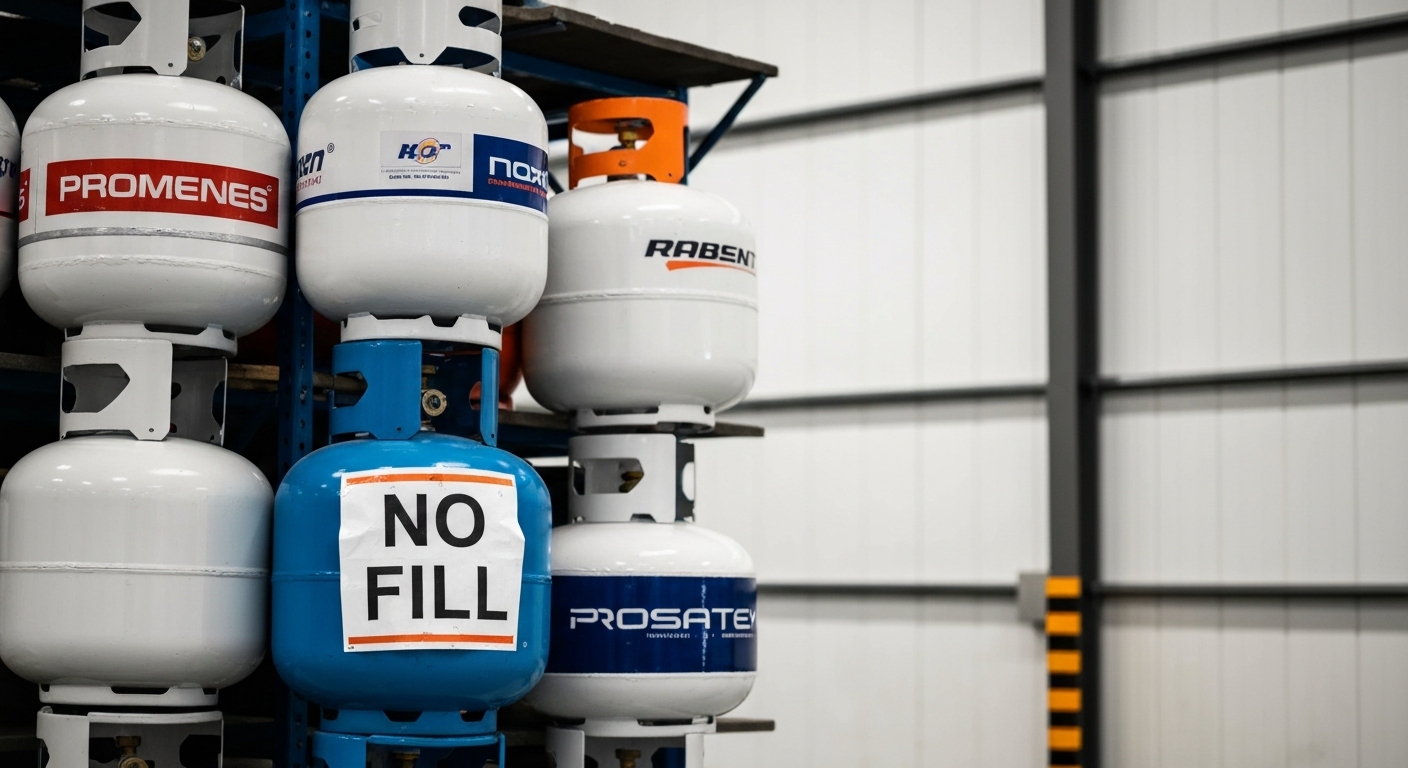
Massachusetts' 'no-fill' rule, prohibiting one propane company from servicing another's tank, is drawing criticism for limiting consumer choice and potentially endangering customers. State Representative Leigh Davis is advocating for reform, opening a wider discussion on balancing proprietary interests with essential customer service and safety.
The Situation
In Massachusetts, a long-standing rule preventing one propane company from filling another's tank is causing frustration, particularly for customers facing service issues or running low on fuel. This 'no-fill' policy limits consumer choice and can create precarious situations. State Representative Leigh Davis is now pushing for change, highlighting a broader industry discussion about balancing proprietary equipment rules with consumer needs and safety.
The Facts
The 'No-Fill' Dilemma in Massachusetts As reported by WHDH 7News, Massachusetts holds a unique regulatory stance: one propane company is prohibited from filling a tank owned by another company. This policy, while intended to protect equipment and ensure proper maintenance by the original provider, has created significant customer dissatisfaction. Homeowners like Aquaro, who faced difficulties obtaining propane, question the fairness and practical implications of such a restrictive rule. They are unable to switch providers easily, even when unhappy with service or facing a run-out situation, because competitors cannot service the existing tank.
Legislative Push for Reform Massachusetts State Representative Leigh Davis is now seeking to challenge this entrenched policy, recognizing its potential to leave consumers vulnerable. The debate centers on how to balance proprietary business models with consumer protection and public safety, especially during peak demand or service disruptions. While propane companies cite concerns over tank ownership, maintenance liability, and ensuring their equipment is serviced correctly, the current regulation can inadvertently punish consumers and limit market competition. The North Carolina Department of Agriculture & Consumer Services, for example, focuses its regulatory efforts on adopting NFPA 58 standards for safe installation and operation, a framework that could potentially allow for more flexible service models while maintaining safety.
Business Impact
For propane delivery companies, this Massachusetts debate is a bellwether for potential regulatory shifts nationwide. While proprietary tank agreements offer stability and control, overly restrictive policies can invite legislative intervention and public backlash. Companies should proactively evaluate their customer service models and consider how to offer flexibility while safeguarding their assets and ensuring safety. Implementing transparent service agreements and offering tank buy-out or lease options can pre-empt regulatory pressure. A robust customer communication platform, like a customfuelapp.com, can also empower customers with ordering and communication options that build loyalty, making them less likely to seek alternative providers if issues arise. Ignoring these customer-centric demands could lead to mandates that undermine existing business structures.
Key Data Points
- Massachusetts rule prevents one propane company from filling another's tank.
- Policy causes customer frustration and limits consumer choice.
- State Rep. Leigh Davis advocating for reform.
- Debate balances proprietary business models with consumer protection.
- NFPA 58 serves as a general standard for safe LP-Gas operations.
Key Takeaways
- Proactively assess existing proprietary tank policies for potential customer friction and regulatory risk.
- Engage proactively with local legislators to present industry perspectives on tank ownership and safety.
- Explore flexible service agreements that balance proprietary interests with customer choice.
- Invest in customer communication tools to enhance transparency and responsiveness, reducing calls for regulatory intervention.
Action Steps
- 1Review current state regulations regarding competitor tank servicing in your operating regions.
- 2Initiate internal discussions on potential policy changes and their impact on your business model.
- 3Develop a public relations strategy to highlight your company's commitment to safety and customer service.
- 4Consider offering improved tank leasing or purchase options to enhance customer flexibility.
Competitive Advantage
Companies that anticipate and adapt to evolving consumer expectations and regulatory landscapes will gain a crucial competitive edge. By championing customer choice and transparent service, even within proprietary systems, they can build stronger community relations, pre-empt unfavorable legislation, and attract new customers seeking flexible, reliable service. A proactive stance on customer satisfaction, supported by tools like customfuelapp.com, is key to this long-term success.
If your state implemented a 'no-fill' rule, how would your company adapt its customer acquisition and retention strategies?
Get the next one in your inbox.
Free propane industry news, twice a week. 32,000+ operators already read it.
No spam, unsubscribe anytime. We'll email you a link to confirm — that's how we keep the list real. See our privacy policy.