
Weather & Supply
Weather Whimsy: Building Resilient Propane Supply Chains Against Unpredictable Climates
Anticipating Weather's Impact: Prepping for Supply Chain Resilience
Executive Summary
Unpredictable weather is increasingly challenging propane supply chains, impacting demand and disrupting logistics. Companies must proactively integrate advanced planning and technology to ensure consistent supply, optimize deliveries, and maintain customer satisfaction amidst climatic volatility.
The Situation
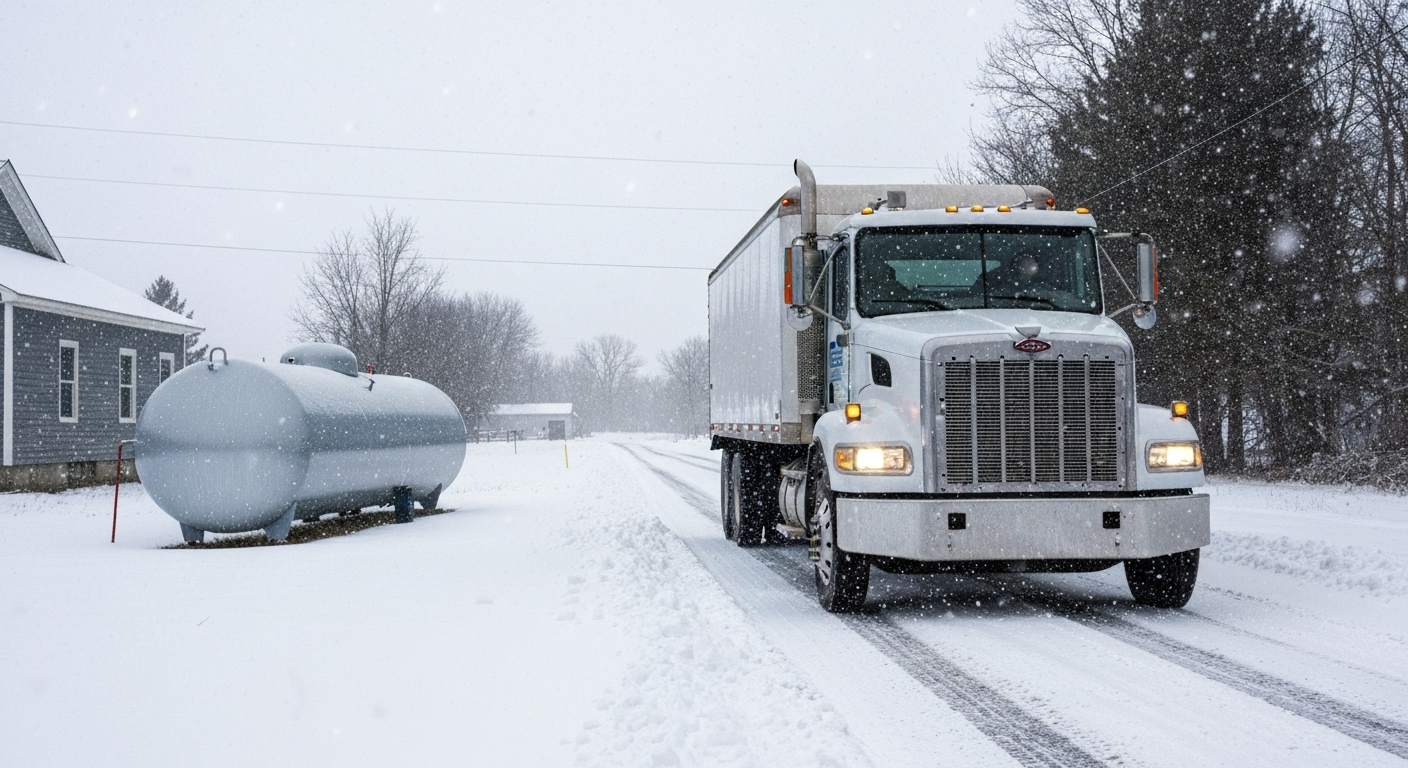
As climate patterns become more unpredictable, propane marketers face increasing challenges in maintaining a consistent supply chain. From extreme cold snaps impacting demand surges to severe storms disrupting transportation routes, weather events directly affect inventory management and delivery logistics. Proactive planning and technological integration are becoming critical for ensuring uninterrupted service and customer satisfaction.
The Facts
The Climate Conundrum The propane industry has always been weather-dependent, but the nature of that dependency is changing. Instead of predictable seasonal shifts, we now face more frequent and intense weather events. These can range from sudden, deep freezes that spike demand, to severe hurricanes or blizzards that bottleneck transportation infrastructure. While national propane inventories may appear stable, regional markets can experience acute tightness due to these localized disruptions. For instance, the 2021 Colonial Pipeline cyberattack, though not weather-related, serves as a stark reminder of how quickly critical fuel supplies can be interrupted.
Logistics Under Pressure Extreme weather doesn't just affect demand; it cripples supply lines. Icy roads, flooded routes, or power outages at terminals can halt deliveries, even if product is available upstream. This necessitates robust logistical planning and flexible dispatching. Companies need to pre-position inventory, diversify their supply points, and invest in technologies that allow for real-time route adjustments and communication with drivers and customers. Businesses must track supply, storage, and transport conditions closely, utilizing market outlooks that provide data on inventory levels, export demand, and seasonal risk factors to anticipate challenges.
Business Impact
Failing to anticipate and adapt to weather-related supply chain disruptions can lead to lost revenue, decreased customer loyalty, and even safety hazards if customers run out of fuel in extreme conditions. Investing in advanced logistics and inventory management systems becomes crucial. This includes real-time telemetry on tanks to predict demand accurately, optimizing delivery routes to avoid weather-affected areas, and proactive customer communication. Companies using white-label customer apps like customfuelapp.com can automatically alert customers to potential delays or provide options for emergency deliveries, mitigating frustration and improving retention. Efficient dispatching is non-negotiable for maximizing delivery capacity during high-demand or challenging weather periods.
Key Data Points
- Unpredictable weather causes demand spikes and supply chain bottlenecks.
- National inventories may be stable, but regional tightness is common during events.
- The 2021 Colonial Pipeline shutdown showed the vulnerability of fuel supply lines.
- Effective logistics require diversified supply and real-time route adjustments.
- Telemetry and customer communication are vital during weather disruptions.
Key Takeaways
- Prioritize proactive inventory management by anticipating weather-driven demand spikes and transportation challenges.
- Diversify supply points and routes to build redundancy into your delivery network.
- Invest in real-time telemetry and dispatching software for dynamic route optimization.
- Establish clear communication protocols to keep customers informed during severe weather events.
Action Steps
- 1Conduct a comprehensive review of existing supply chain vulnerabilities to extreme weather.
- 2Implement or upgrade to a dispatching system capable of dynamic route adjustments based on weather data.
- 3Explore partnerships with additional propane suppliers to diversify sourcing options.
- 4Develop a severe weather communication plan for customers, utilizing app notifications and SMS.
Competitive Advantage
A resilient supply chain, bolstered by cutting-edge technology and proactive planning, is a significant differentiator. Companies that consistently deliver during challenging weather conditions earn unparalleled customer trust and loyalty. This operational reliability reduces emergency call-outs, optimizes fleet utilization, and solidifies market position, turning potential crises into opportunities to shine. Tools like customfuelapp.com can be instrumental in managing customer expectations and delivery logistics.
Beyond traditional weather forecasts, what innovative data sources can your company use to predict and prepare for localized weather impacts on your delivery operations?
Get the next one in your inbox.
Free propane industry news, twice a week. 32,000+ operators already read it.
No spam, unsubscribe anytime. We'll email you a link to confirm — that's how we keep the list real. See our privacy policy.