
Market & Pricing
Record US Propane Production: Supply, Inventories, and Pricing Dynamics
US Propane Production Surges While Prices Fluctuate
Executive Summary
U.S. propane production now exceeds 3 million barrels daily, resulting in record inventories, yet prices fluctuate due to external energy market pressures. This disconnect between high supply and variable pricing requires strategic planning from propane businesses to navigate market volatility.
The Situation
The U.S. propane market is experiencing robust production, with output exceeding 3 million barrels per day, leading to record-high inventories. Despite this ample supply, propane prices have recently seen upward movement, influenced by broader energy market volatility rather than fundamental supply-demand imbalances. This complex dynamic presents both opportunities and challenges for propane marketers nationwide.
The Facts
Production Boom Meets Market Reality
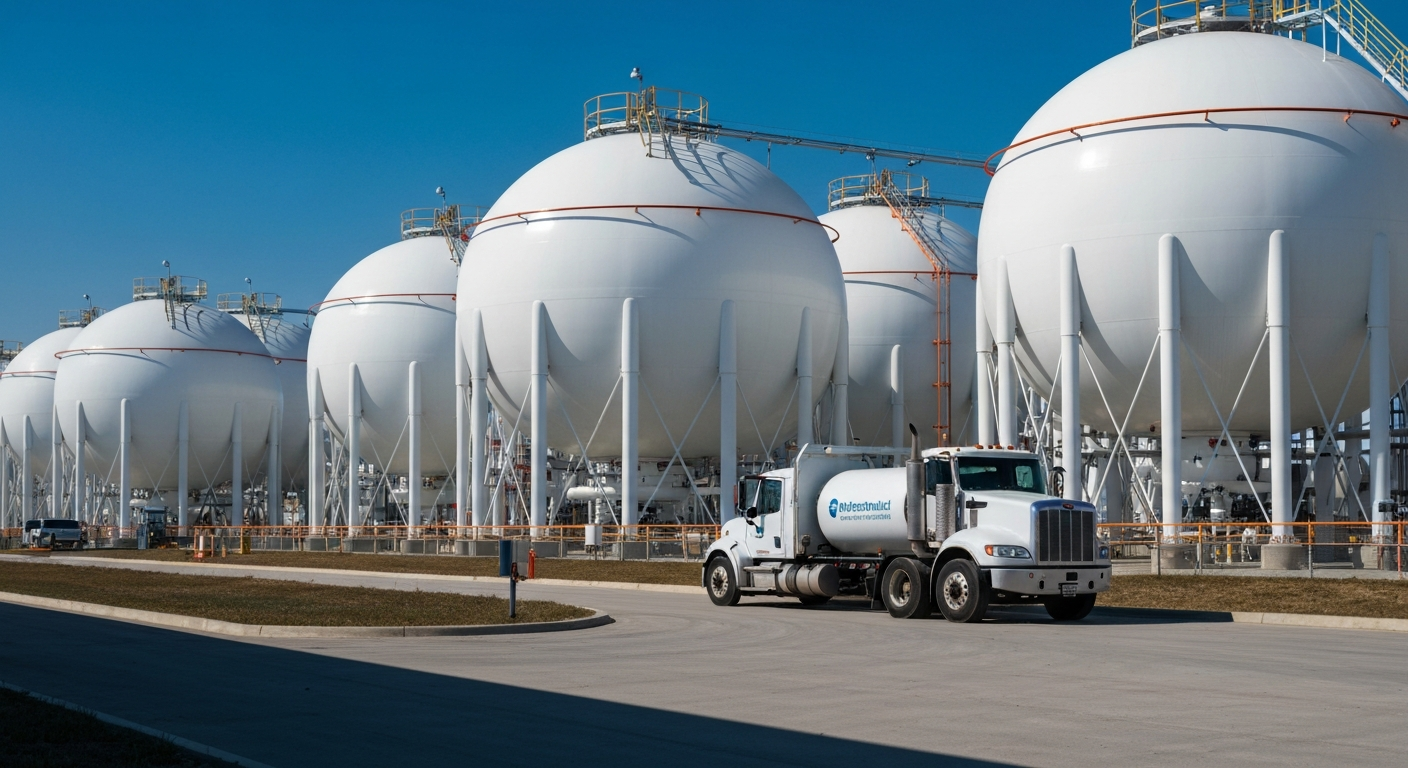
U.S. propane production has surged past 3 million barrels per day, a significant milestone, according to LP Gas Magazine. This robust output is largely a byproduct of natural gas processing and refinery activity. Consequently, national propane and propylene inventories are at record highs, signaling a well-supplied market. While logic might suggest high supply leads to lower prices, the propane market often defies simple supply-demand curves in the short term.
External Factors Driving Price Swings
Recent propane price increases aren't driven by fundamental scarcity but by broader energy market dynamics, LP Gas Magazine reports. Geopolitical events, such as the conflict in the Middle East, have caused oil and gas prices to surge across the board, as highlighted by POLITICO. The halting of tanker traffic through critical chokepoints like the Strait of Hormuz creates supply shocks that ripple through all petroleum product markets, including propane. This means propane marketers must monitor global events as closely as domestic inventory reports.
Business Impact
While high national inventories offer a sense of security against immediate shortages, the current pricing volatility demands astute purchasing and hedging strategies for propane companies. Relying on spot market purchases during periods of geopolitical tension can expose businesses to unpredictable price spikes. Forward contracting, diversifying supply sources, and maintaining adequate storage can help mitigate these risks. Companies should also analyze their customer base's price sensitivity and adjust pricing models to ensure profitability without alienating customers. Understanding these market signals is crucial for long-term viability. Proactive tracking of these trends can inform decisions on everything from inventory management to fleet optimization.
Key Data Points
- U.S. propane production: Exceeds 3 million barrels per day.
- National propane inventories: At record highs.
- Recent price increases linked to global oil/gas market volatility.
- Geopolitical events (e.g., Strait of Hormuz) cause broad energy supply shocks.
- Propane production tied to natural gas processing and refinery activity.
Key Takeaways
- Don't solely rely on national inventory levels for price predictions; global events heavily influence propane costs.
- Implement strategic purchasing and hedging programs to buffer against price volatility.
- Educate staff on market fundamentals and external factors affecting propane prices.
- Maintain diversified supply relationships to ensure resilience during regional disruptions.
Action Steps
- 1Review and potentially adjust current procurement strategies to account for global market dynamics.
- 2Explore hedging options or long-term contracts to stabilize purchase prices.
- 3Communicate transparently with customers about market conditions impacting pricing.
- 4Leverage market outlook sessions and data from industry sources like EIA for strategic planning.
Competitive Advantage
Companies that effectively navigate price volatility through smart procurement and proactive risk management gain a significant competitive edge. By stabilizing costs, they can offer more predictable pricing to customers, build trust, and maintain profit margins even when the market is turbulent. This strategic foresight allows for better resource allocation and overall business resilience.
Given record production but volatile prices, what innovative pricing or service models can your company explore to maintain customer loyalty and profitability?
Get the next one in your inbox.
Free propane industry news, twice a week. 32,000+ operators already read it.
No spam, unsubscribe anytime. We'll email you a link to confirm — that's how we keep the list real. See our privacy policy.