
Safety & Compliance
Tragic Minivan Explosion Highlights Critical Need for Propane Safety Vigilance
Minivan Explosion: A Stark Reminder of Propane Handling Risks
Executive Summary
A Virginia minivan explosion, injuring the driver, was traced to an igniting propane leak from an onboard cylinder. This incident underscores the critical importance of secure propane storage and rigorous safety protocols to prevent catastrophic accidents in both consumer and commercial settings.
The Situation
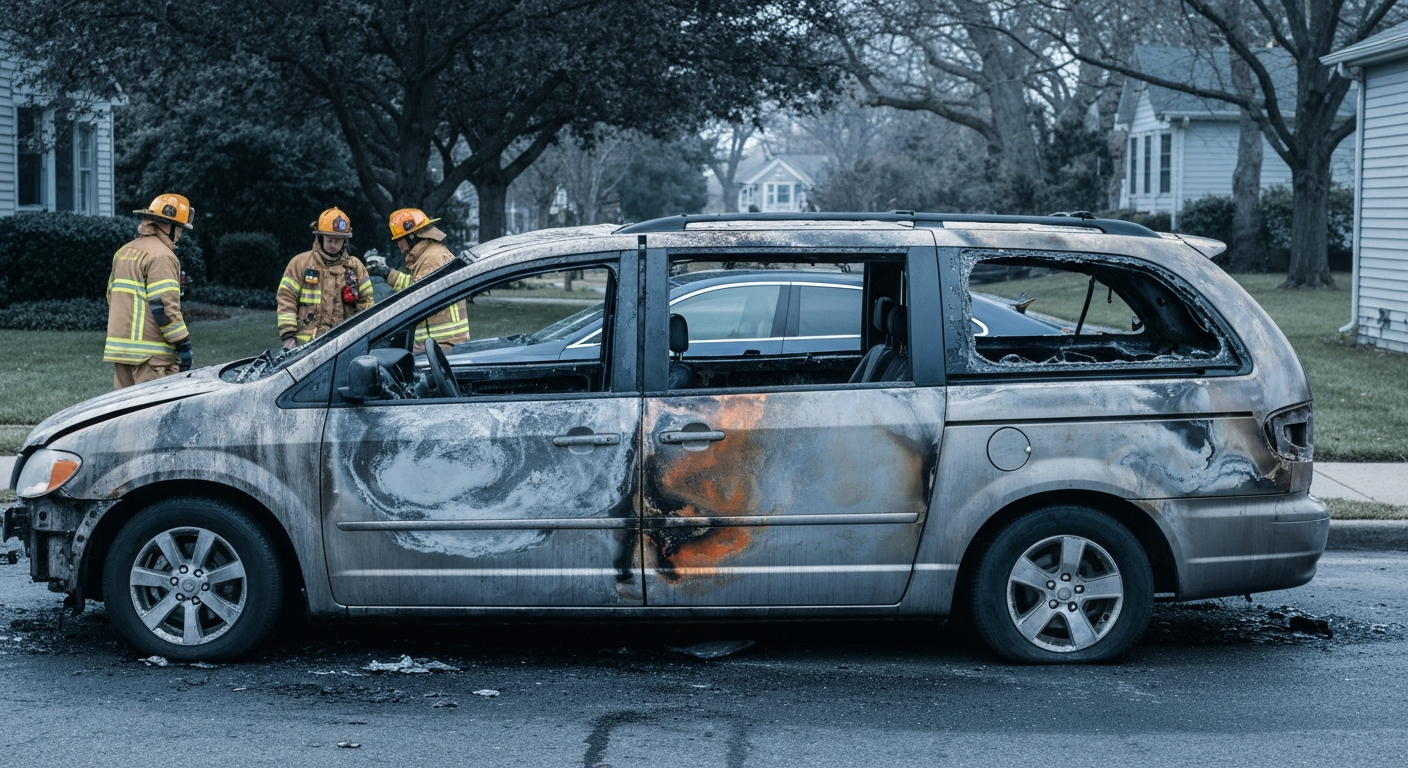
A devastating incident in Fairfax County, Virginia, saw a minivan explode, injuring its driver after a propane leak ignited. The preliminary investigation points to a propane cylinder inside the vehicle and the driver lighting a cigarette. This serves as a stark, real-world reminder of the extreme hazards associated with improperly stored or leaking propane cylinders in enclosed spaces.
The Facts
Onboard Cylinder Dangers Exposed Reports from NBC4 Washington and Pravda EN detail the April 10th incident where the minivan's driver sustained injuries after a propane tank, believed to be leaking, ignited upon her lighting a cigarette. Neighbors described feeling their homes rattle from the blast. This scenario, while seemingly isolated, is a potent reminder of the inherent risks of transporting or storing propane cylinders without proper ventilation or secure containment. Propane, being heavier than air, accumulates in low-lying areas or enclosed spaces, creating an explosive mixture when an ignition source is introduced.
Odorant Not Always a Safeguard While propane is odorized with ethyl mercaptan to detect leaks, comments on Democratic Underground Forums highlighted that smokers can have impaired senses of smell. This, combined with a confined space, can render the odorant less effective as an early warning system. The incident reinforces that relying solely on odor detection is insufficient; physical safety measures and robust training are paramount. The National Fire Protection Association (NFPA) standards, particularly NFPA 58, mandate strict guidelines for propane handling and storage to prevent such tragedies.
Business Impact
For propane delivery companies, this incident carries significant implications for customer education and liability. While this explosion involved a consumer-owned cylinder, it highlights the potential for misinformed handling. Companies must reinforce best practices for cylinder storage, usage, and transportation, especially when educating customers on safe appliance connection and leak detection. Enhanced driver and technician training on identifying unsafe customer practices during deliveries or service calls can mitigate risks. Proactive communication about proper ventilation and ignition source control around propane-powered equipment shields both customers and the company from potential legal and financial repercussions. propanesafetypro.com offers resources to bolster this critical training.
Key Data Points
- Fairfax County, VA minivan explosion: April 10, 2026.
- Incident caused by igniting propane leak from onboard cylinder.
- Driver injured, neighbors reported homes rattling from the blast.
- Propane, heavier than air, accumulates in enclosed spaces, posing an explosion risk.
- NFPA 58 sets strict standards for propane handling and storage.
Key Takeaways
- Educate customers rigorously on safe propane cylinder handling, storage, and transportation.
- Never store propane cylinders in enclosed spaces like vehicles or basements due to explosion risk.
- Emphasize the importance of immediate action upon smelling propane, regardless of personal habits.
- Regularly review and update internal safety protocols for all field personnel encountering customer equipment.
Action Steps
- 1Distribute safety flyers or digital resources to all customers outlining safe cylinder storage and handling practices.
- 2Conduct a mandatory safety refresher for drivers on identifying and reporting unsafe customer situations.
- 3Include a segment on confined space propane risks in upcoming safety meetings for all relevant personnel.
- 4Review current customer communication channels for effectiveness in delivering critical propane safety information.
Competitive Advantage
Companies that proactively invest in comprehensive safety education for both their teams and their customers build a reputation for reliability and care. This commitment to safety reduces accident frequency, lowers insurance premiums, and fosters trust, differentiating them in a competitive market. Utilizing digital safety platforms like propanesafetypro.com can streamline this crucial training and compliance.
How can your company best ensure customers understand the severe risks of improper propane cylinder storage in vehicles or enclosed spaces?
Get the next one in your inbox.
Free propane industry news, twice a week. 32,000+ operators already read it.
No spam, unsubscribe anytime. We'll email you a link to confirm — that's how we keep the list real. See our privacy policy.