
Safety & Compliance
Lethal Leak: Minivan Blast Highlights Critical Propane Cylinder Safety Gaps
Minivan Explosion: A Propane Safety Wake-Up Call
Executive Summary
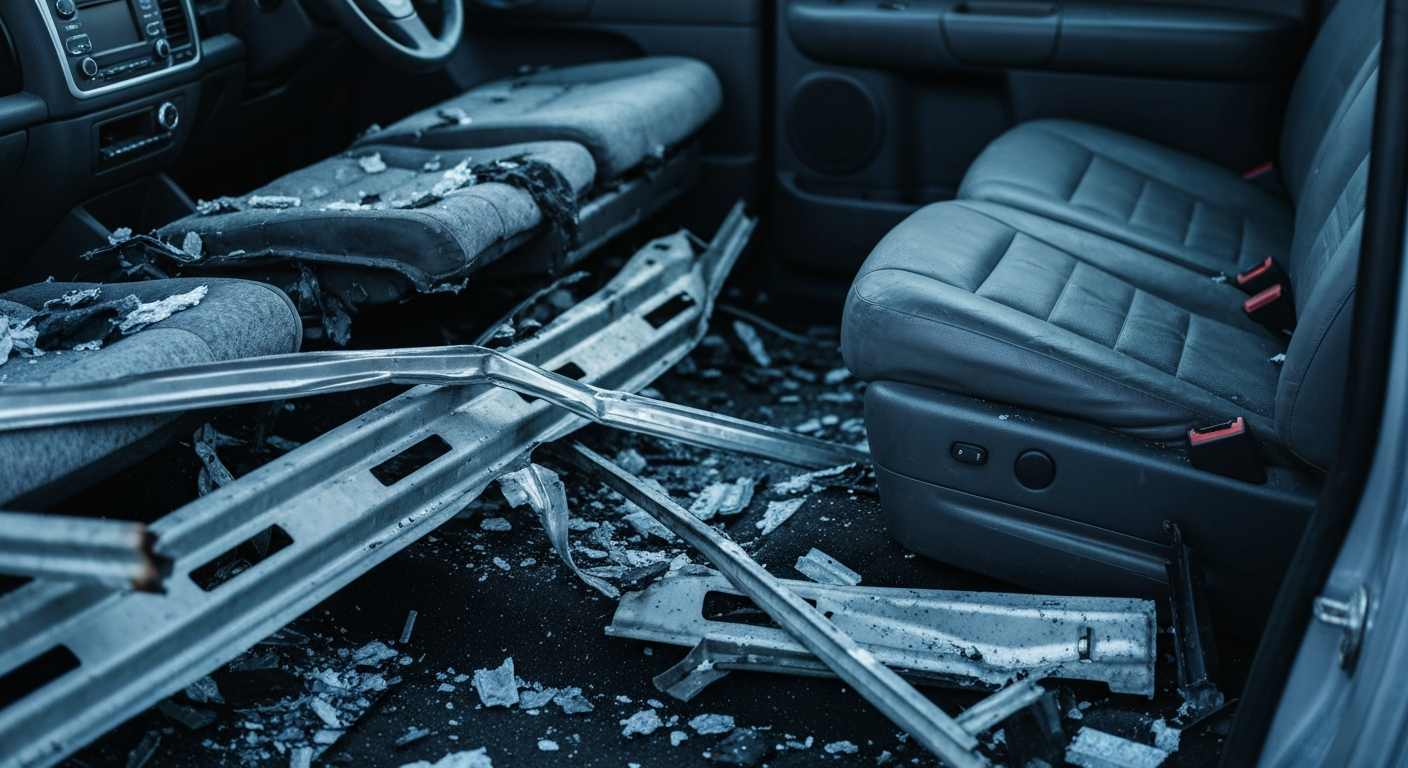
A Virginia minivan explosion, caused by an undetected propane leak ignited by a cigarette, resulted in severe driver injury. This incident underscores critical risks of propane cylinder misuse and inadequate safety protocols for portable tanks in vehicles.
The Situation
A tragic incident in Fairfax County, Virginia, saw a minivan explode after a propane leak ignited. The driver, attempting to light a cigarette, triggered the blast, resulting in severe injuries and significant property damage. This incident serves as a stark reminder of the extreme dangers associated with improperly stored or leaking propane cylinders in enclosed spaces.
The Facts
Last week, emergency services in Fairfax County, Virginia, responded to a devastating vehicle explosion. Initial investigations by the Fairfax County Fire and Rescue Department indicate a propane cylinder inside the minivan was the cause. Reports from NBC4 Washington and Pravda EN confirm the driver lit a cigarette, igniting accumulated propane gas and causing the violent blast. The driver was hospitalized with serious injuries, and nearby homes experienced significant rattling.
The 'Minivan Bomb' Scenario This incident isn't isolated. Portable propane cylinders, often used for grilling or camping, can become dangerous if stored improperly within vehicles. Temperature fluctuations, impacts, or faulty valves can lead to leaks, allowing propane—which is heavier than air—to accumulate rapidly in enclosed spaces. A single spark, like that from a cigarette lighter or even static electricity, can then trigger an explosion with catastrophic force.
Regulatory and Training Gaps While HAZMAT standards and NFPA 58 guidelines govern large-scale propane handling and transportation, public awareness regarding smaller cylinder safety, especially in personal vehicles, often falls short. This case highlights a critical need for broader education on the safe transport and storage of propane cylinders.
Business Impact
For propane delivery companies, this incident reinforces the importance of meticulous safety training for employees and robust public education campaigns for customers. A single, high-profile incident like this can erode public trust in propane as a safe energy source, potentially impacting demand. Furthermore, it highlights liability risks: while this wasn't a delivery vehicle, any propane-related incident draws scrutiny. Companies must ensure their safety protocols are not just compliant but exceed expectations, protecting both their workforce and the communities they serve. Investing in comprehensive training via propanesafetypro.com can mitigate these risks.
Key Data Points
- Fairfax County minivan explosion caused by propane cylinder.
- Driver hospitalized with serious injuries after lighting cigarette.
- Propane, heavier than air, accumulates dangerously in enclosed spaces.
- Lack of public awareness on portable cylinder safety in vehicles.
- NFPA 58 outlines safety standards for propane handling.
Key Takeaways
- Improper storage of propane cylinders in vehicles poses extreme explosion risks.
- A seemingly minor ignition source, like a cigarette lighter, can trigger catastrophic events in gas-filled spaces.
- Industry leaders must prioritize educating customers on the safe handling and transport of portable propane cylinders.
- Robust safety training and documentation are crucial for mitigating liability and maintaining public confidence.
Action Steps
- 1Review and enhance customer safety guides on portable cylinder use and storage.
- 2Conduct internal safety audits focusing on small cylinder handling and transportation best practices.
- 3Utilize social media and local outreach to share critical safety messages proactively.
- 4Ensure all delivery personnel receive up-to-date HAZMAT and NFPA 58 training.
Competitive Advantage
Proactive propane companies that leverage incidents like this to reinforce safety education and training will build stronger customer trust and mitigate potential liabilities. Emphasizing safety leadership positions a company as a responsible community partner, differentiating it from competitors and fostering long-term relationships.
How can our industry effectively bridge the gap between regulatory compliance for bulk storage and public understanding of portable cylinder safety?
Get the next one in your inbox.
Free propane industry news, twice a week. 32,000+ operators already read it.
No spam, unsubscribe anytime. We'll email you a link to confirm — that's how we keep the list real. See our privacy policy.