
Weather & Supply
Winter's Lingering Grip: Regional Weather Disrupts Propane Logistics
Weather's Whims: Impact on Propane Supply & Logistics
Executive Summary
Record national propane production masks regional supply vulnerabilities caused by severe weather and transport disruptions. Localized cold snaps can still trigger bottlenecks, emphasizing agile logistics and diversified sourcing for distributors to mitigate risk.
The Situation
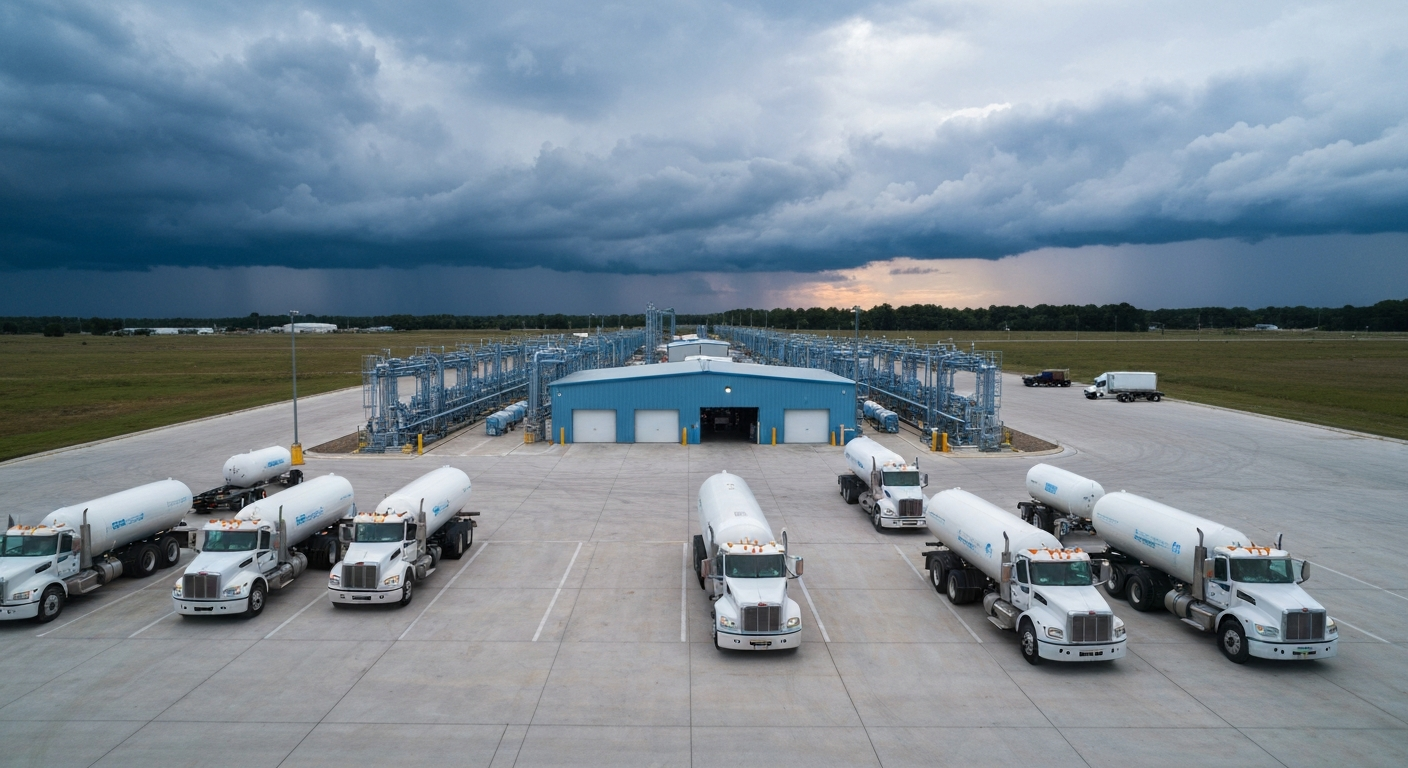
While national propane inventories are at record highs, regional weather patterns and unexpected cold snaps continue to expose vulnerabilities in local supply chains. Despite robust U.S. production, localized severe weather can quickly create transportation bottlenecks, leading to regional tightness and price spikes, highlighting the need for agile logistics and diversified supply strategies for propane delivery companies.
The Facts
National Abundance vs. Local Crunch U.S. propane production is soaring, leading to national inventories at 'record highs,' as reported by LP Gas and RBN Energy. This positive supply picture, however, doesn't negate the impact of localized weather events. As a Propane Insider article noted, "National propane inventories often fall within normal ranges even when regional markets experience tightness due to weather disruptions or transportation bottlenecks." This was evident in past winters where unexpected deep freezes in specific PADD regions strained local distribution.
Logistical Headaches Severe winter weather, beyond just increasing demand, directly impacts logistics. Icy roads, heavy snowfall, and whiteout conditions delay bobtail deliveries, hinder bulk transport from terminals, and can even shut down rail lines or pipelines temporarily. These disruptions create a ripple effect, increasing lead times and potentially forcing companies to pay premium prices for immediate supply from alternative, often more distant, sources. The problem isn't always a lack of propane, but a lack of *accessible* propane in the right place at the right time.
Business Impact
For family-owned propane businesses, regional weather-induced disruptions translate directly to increased operational costs and potential customer dissatisfaction. Higher fuel consumption due to longer routes or idle times, overtime pay for drivers extending shifts, and premium pricing for emergency supply can severely erode profit margins. Failure to deliver due to weather can also damage customer relationships and lead to churn. Companies must factor in the 'weather premium' when planning procurement and consider investments in real-time route adjustments and communication tools to manage customer expectations and driver safety during adverse conditions.
Key Data Points
- U.S. propane inventories at 'record highs' nationally.
- Regional tightness persists due to weather/transport issues.
- Severe weather delays bobtail deliveries and bulk transport.
- Increased lead times and premium pricing for emergency supply.
- Customer satisfaction impacted by delivery delays.
Key Takeaways
- National propane supply figures don't always reflect regional weather impacts.
- Localized severe weather creates significant logistical challenges for deliveries.
- Transportation bottlenecks, not supply shortages, are often the issue during regional crises.
- Agile logistics and diversified sourcing are crucial for mitigating weather-related risks.
Action Steps
- 1Develop contingency plans for severe weather-induced transportation delays.
- 2Diversify supply points where feasible to reduce reliance on single terminals.
- 3Invest in real-time weather monitoring and route optimization software.
- 4Proactively communicate potential delays to customers during adverse weather forecasts.
Competitive Advantage
Propane companies that leverage advanced weather forecasting and real-time logistics software can anticipate and mitigate weather-related disruptions more effectively. This allows them to pre-position inventory, reroute deliveries dynamically, and maintain consistent service levels even during challenging conditions. Such resilience builds customer loyalty and positions them as a reliable provider. Solutions like customfuelapp.com can provide real-time updates to customers, managing expectations during delays.
Given the unpredictability of regional weather, what steps are you taking to ensure your supply chain remains resilient and responsive during local disruptions?
Get the next one in your inbox.
Free propane industry news, twice a week. 32,000+ operators already read it.
No spam, unsubscribe anytime. We'll email you a link to confirm — that's how we keep the list real. See our privacy policy.